

 English
 中文简体
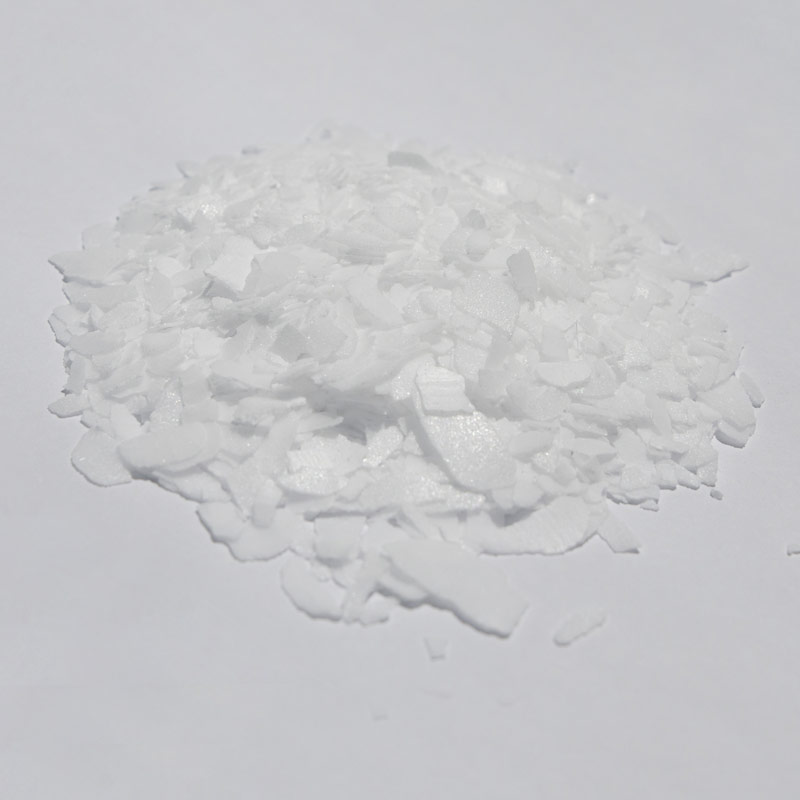
中文简体Phthalic anhydride is a versatile white crystalline compound that serves as a cornerstone in the industrial chemical sector. Often referred to simply as PAN or phthalic acid anhydride, it is a vital intermediate used to create a wide variety of consumer and industrial products. Whether you are looking at a flexible PVC pipe or the glossy finish on a new car, there is a high probability that this chemical played a role in its manufacture. Understanding how it works and how to handle it is essential for anyone working in manufacturing or chemical sourcing.
Content
Primary Industrial Applications of Phthalic Anhydride
The most significant use of phthalic acid anhydride is in the production of plasticizers. These are substances added to plastics to increase their flexibility, transparency, and durability. Phthalic anhydride reacts with various alcohols to produce phthalate esters, such as DOP (dioctyl phthalate), which are then mixed with polyvinyl chloride (PVC) to make everything from medical tubing to electrical cable insulation.
Unsaturated Polyester Resins (UPR)
Another massive market for this chemical is the creation of unsaturated polyester resins. These resins are typically reinforced with glass fibers to create fiberglass. You will find these materials in boat hulls, bathtub enclosures, and automotive body parts. The chemical structure of the anhydride allows it to form strong, cross-linked polymer chains that provide excellent structural integrity and resistance to environmental wear.
Alkyd Resins for Paints and Coatings
If you have ever used a high-gloss oil-based paint, you have likely benefited from alkyd resins. Phthalic anhydride is a key ingredient in these resins, which act as a binder in coatings. They help the paint adhere to surfaces and provide a hard, durable finish that resists scratching and weathering. This makes it a staple in the protective coating industry for bridges, machinery, and furniture.
How Phthalic Anhydride is Produced
The modern manufacturing process for phthalic anhydride is highly efficient and primarily relies on the catalytic oxidation of hydrocarbons. There are two main pathways used in the industry today, depending on the available feedstock and regional economic factors.
- Ortho-xylene Oxidation: This is currently the most common method. In this process, o-xylene is reacted with oxygen in the presence of a vanadium pentoxide catalyst at high temperatures.
- Naphthalene Oxidation: While less common than o-xylene, naphthalene (derived from coal tar) can also be oxidized to produce phthalic anhydride. This method is still utilized in regions where coal-based feedstocks are more abundant than petroleum-based ones.
Key Technical Specifications
When sourcing phthalic anhydride for industrial use, it is important to understand its physical and chemical properties to ensure it meets your production requirements. The following table highlights the standard specifications for high-purity industrial grades.
| Property | Typical Value |
| Appearance | White Flakes or Molten Liquid |
| Purity (Min) | 99.8% |
| Melting Point | 131°C |
| Boiling Point | 284°C |
| Flash Point | 152°C |
Safety and Handling Precautions
While phthalic anhydride is indispensable for modern manufacturing, it must be handled with care. In its solid form, it can release dust that is highly irritating to the respiratory system, skin, and eyes. When heated to a molten state, it poses a risk of severe thermal burns and releases vapors that require specialized ventilation.
Recommended Protective Gear
To maintain a safe working environment, personnel should always utilize appropriate Personal Protective Equipment (PPE) when working with PAN chemicals. Standard safety protocols include:
- Chemical-resistant gloves (such as nitrile) to prevent skin contact.
- Full-face shields or safety goggles to protect against dust and splashes.
- NIOSH-approved respirators if working in areas with high dust or vapor concentrations.
- Protective clothing that covers all exposed skin.
Storage and Environmental Considerations
Storing phthalic anhydride requires a cool, dry, and well-ventilated area away from incompatible substances like strong oxidizing agents and moisture. Because the chemical reacts with water to form phthalic acid, it is crucial to keep storage containers tightly sealed and protected from humidity. From an environmental standpoint, spills should be contained immediately using dry absorbent materials to prevent the chemical from entering waterways, as it can lower the pH of the water and harm aquatic life.