

 English
 中文简体
中文简体When you are comparing plasticizers for flexible PVC in wire and cable, flooring, or automotive interiors, DINP often sits in a distinctive position. It does not match DOP in plasticizing efficiency at the lowest cost, nor does it have the “green replacement” halo that DOTP enjoys. Instead, it offers a balanced profile: higher molecular weight, lower volatility, good low-temperature performance, and a price point that remains manageable for large-volume buyers.
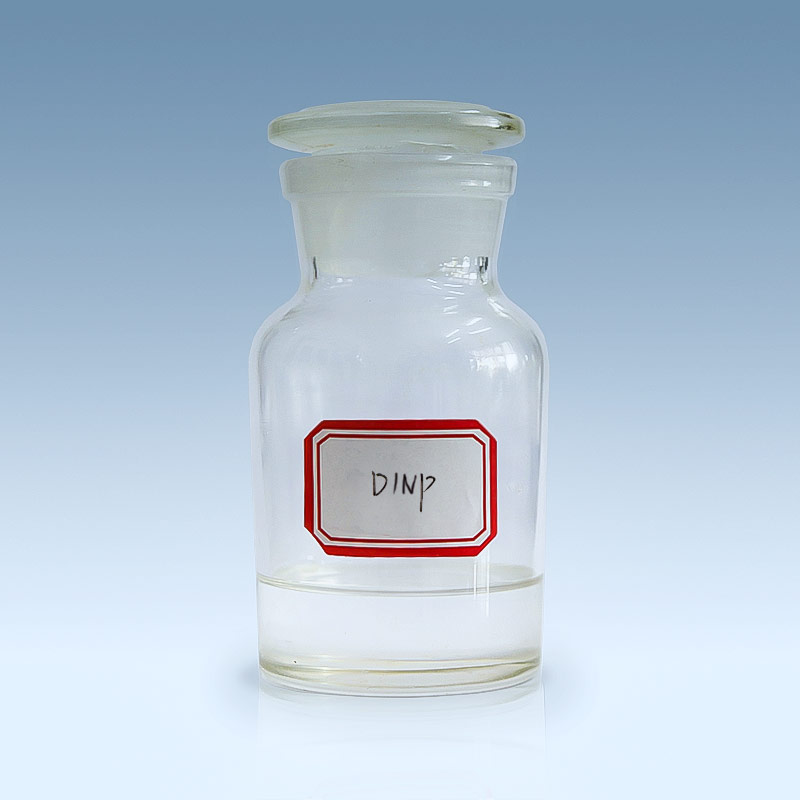 Diisononyl Phthalate (DINP) Plasticizer for Flexible PVCDINP offers balanced performance with higher molecular weight, lower volatility, and good low-temperature properties, making it a cost-effective choice for large-volume buyers in wire, flooring, and automotive applications.View Product →
If you are a purchasing professional, reading a datasheet is only the first step. The real risk of a bad batch usually lies in whether you understand the testing methods, tolerances, and regulatory boundaries behind those numbers. The following sections break down DINP from molecular basics to practical sourcing decisions.
Content
What Is Diisononyl Phthalate?
DINP is the common abbreviation for diisononyl phthalate, a phthalate ester with the molecular formula C26H42O4. Its standard CAS registry number is 68515-48-0, which covers the mixture of isononyl esters produced by the esterification of phthalic anhydride with isononyl alcohol. In practice, DINP is not a single molecule but a family of close isomers, so slight differences in viscosity and color between suppliers are normal.
With a molecular weight of approximately 418.6 g/mol, DINP is a clear, almost colorless oily liquid at room temperature. As a plasticizer, its job is to slip into the spaces between PVC polymer chains, reducing chain-to-chain friction and making the material softer and more flexible. Compared with DOP, DINP has a slightly lower plasticizing efficiency at equal loading, but its higher molecular weight brings lower volatility and better resistance to migration—properties that matter a great deal in long-life products such as flooring and automotive trim.
Key Properties That Matter in Production
Buyers typically receive a certificate of analysis listing a handful of numbers. The most important ones are density, viscosity, flash point, acid value, ester content, and color. These parameters directly affect processing, metering, and final product consistency.
| Property | Typical Value | Why It Matters |
|---|---|---|
| Density (20 °C) | 0.972–0.978 g/cm³ | Affects volume-to-weight conversions and tank/tote metering accuracy. |
| Kinematic Viscosity (20 °C) | 80–120 mm²/s | Influences pumping, blending, and pipeline transfer efficiency in the plant. |
| Flash Point (open cup) | ≥ 215 °C | A safety parameter for storage and heating procedures. |
| Acid Value | ≤ 0.1 mg KOH/g | Indicates free acid content, which can affect long-term PVC stability. |
| Ester Content | ≥ 99.0% | Defines the active purity and is a direct reference for performance. |
| Color (APHA) | ≤ 30 | Critical for color-sensitive downstream products. |
How DINP Compares to DOP and DIDP
DOP provides higher plasticizing efficiency, but its lower molecular weight makes it more volatile and more prone to migration in high-temperature applications. DIDP has a higher molecular weight and better heat resistance, but its plasticizing efficiency is lower and it is more expensive. DINP sits between these two, often offering the best trade-off when both low volatility and good low-temperature flexibility are necessary.
This is why DINP is a common choice in PVC flooring and automotive interior parts, where the finished product must remain flexible for years without surface exudation. In many formulations, DINP is blended with DOTP or DOA to fine-tune specific properties, rather than being used alone.
Main Applications Across Industries
DINP is primarily used in flexible PVC. Its main industrial applications include:
- Wire and cable insulation and sheathing: DINP provides adequate flexibility while reducing plasticizer loss at elevated service temperatures, making it suitable for many standard IEC and UL cable grades.
- PVC flooring and wall covering: DINP contributes to initial softness and long-term flexibility, while resisting migration and staining.
- Automotive interior components: Instrument-panel skins, door liners, and seat leather require low-volatility plasticizers to meet interior odor and VOC limits.
- Coated fabrics and flexible film: For tarpaulins, awnings, and artificial leather, DINP offers a wide processing window and low-temperature bend resistance.
Typical DINP loadings in these applications range from 40 to 80 phr, depending on target hardness and performance requirements. Processors rarely run on a single plasticizer; instead, DINP is often combined with other phthalates or non-phthalate alternatives to reach a specific balance of cost, stiffness, and durability.
Regulatory Landscape: What Buyers Need to Know
You may have seen DINP listed in California Proposition 65 or featured in an EPA risk evaluation, and that can create unnecessary alarm. The key distinction is between a risk assessment and an outright ban. On January 14, 2025, EPA finalized its TSCA risk evaluation for DINP, finding developmental toxicity, liver effects, and increased cancer risk at higher exposure levels. For compliant industrial uses, this does not mean the chemical is prohibited everywhere; it does mean buyers must pay attention to labeling, worker exposure controls, and downstream SDS requirements.
If your products are exported to the United States or the European Union, request the following from your supplier:
- A current SDS covering the specific DINP grade.
- REACH registration evidence or a written compliance statement.
- TSCA compliance documentation for U.S. import.
- Proposition 65 warning label samples if your final article may require them.
- CPSC testing information when the end product is intended for children’s items.
At our factory, every shipment of DINP is accompanied by a COA and full test report, which helps the buyer cross-check incoming material against the agreed specification.
Sourcing DINP: Specifications, Risk and Supplier Evaluation
Price is only one factor in a DINP purchase. Practical considerations that are easy to overlook include:
- Batch-to-batch consistency: Density and ester content must match the agreed contract. Color drift is a common cause of rework in colored PVC products.
- Storage and transport: DINP should be stored in clean carbon steel or stainless steel tanks, protected from moisture and direct sunlight. Even though the flash point is high, good housekeeping prevents contamination.
- Supplier production capacity: Plasticizers are made continuously, so raw material security and uptime directly affect delivery reliability.
- Incoming inspection: Sampling acid value and flash point at arrival is worth the cost, because free acid can trigger premature degradation of the PVC compound.
For a more detailed walkthrough of what to check in a DINP shipment, see our article on practical buying tips for DINP plasticizer. Our company, Zhejiang Great Chemical Science & Technology Co., Ltd., has been producing plasticizers since 2008. Located near Jiaxing Port, we operate a DINP unit with an annual capacity of 50,000 tons, alongside DOP and DOTP production. That product mix gives buyers the convenience of sourcing multiple plasticizers from a single supplier.
Final Recommendations
In the world of flexible PVC, DINP is the performance stabilizer. It does not shout like DOP, nor does it cost like DOTP. It delivers reliable balance across volatility, low-temperature flexibility, and processing cost. For a purchasing decision, the most important thing is to treat technical specifications and regulatory documents as one combined checklist rather than simply choosing the lowest quote.
If you are selecting a plasticizer for your next PVC product, start by defining the service temperature range, migration resistance expectations, and export destinations. Then compare those requirements against DINP’s typical parameters. Our technical team can support you with small-scale sample testing to confirm that the material performs as expected in your actual production line.