

 English
 中文简体
中文简体Content
- 1 What DINP Plasticizer Is and Why It Matters in PVC Formulations
- 2 Key Performance Characteristics of DINP Plasticizer
- 3 Typical Applications of DINP Plasticizer in Industry
- 4 DINP Plasticizer Compared with Other Common Plasticizers
- 5 Processing Guidelines for Using DINP Plasticizer
- 6 Regulatory and Market Considerations for DINP Plasticizer
What DINP Plasticizer Is and Why It Matters in PVC Formulations
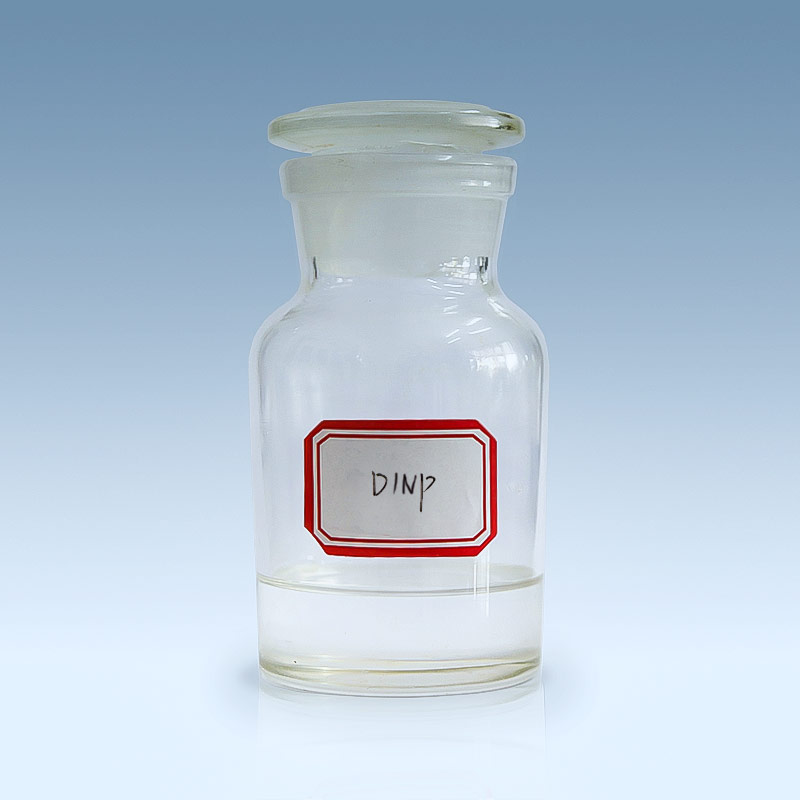
DINP Plasticizer, short for Diisononyl Phthalate, is a high-molecular-weight plasticizer widely used to improve the flexibility, durability, and workability of PVC compounds. It is especially valued in applications where long service life, mechanical stability, and resistance to migration are required. Compared with lower-molecular-weight plasticizers, DINP offers better permanence in PVC, making it suitable for both flexible and semi-rigid products.
In industrial processing, DINP Plasticizer is appreciated for its balanced plasticizing efficiency and stable performance during extrusion, calendering, and injection molding. These characteristics make it a common choice for manufacturers aiming to optimize processing efficiency without compromising product quality.
Key Performance Characteristics of DINP Plasticizer
The technical performance of DINP Plasticizer directly influences the mechanical and physical properties of PVC products. Its molecular structure provides a good balance between flexibility and strength, ensuring consistent results across a wide range of formulations.
- High permanence in PVC, reducing plasticizer migration over time
- Excellent resistance to heat aging, suitable for long-term use products
- Good electrical insulation properties for technical and industrial applications
- Stable viscosity and compatibility with standard PVC resins
Typical Applications of DINP Plasticizer in Industry
DINP Plasticizer is primarily used in flexible PVC products that demand durability and mechanical stability. Its performance profile makes it particularly suitable for large-volume industrial and consumer goods.
Construction and Building Materials
In flooring, wall coverings, roofing membranes, and coated fabrics, DINP Plasticizer helps maintain flexibility while ensuring resistance to wear and deformation. Its low volatility supports dimensional stability under varying temperature conditions.
Automotive and Technical Products
Automotive interior components, underbody coatings, and cable sheathing benefit from DINP Plasticizer due to its heat resistance and long-term performance. These properties help meet the durability expectations of demanding operating environments.
DINP Plasticizer Compared with Other Common Plasticizers
Selecting the right plasticizer often requires a comparison of performance, cost, and regulatory acceptance. DINP Plasticizer is commonly evaluated alongside other phthalates used in PVC processing.
| Plasticizer Type | Volatility | Migration Resistance | Typical Applications |
| DINP Plasticizer | Low | High | Flooring, cables, coated fabrics |
| DOP | Medium | Moderate | General flexible PVC products |
| DIDP | Very Low | Very High | High-temperature industrial uses |
Processing Guidelines for Using DINP Plasticizer
To achieve optimal results, DINP Plasticizer should be incorporated under controlled processing conditions. Proper mixing temperature and sequence ensure uniform distribution within the PVC matrix and stable final properties.
- Add DINP Plasticizer gradually during high-speed mixing to improve absorption
- Maintain recommended processing temperatures to prevent viscosity fluctuations
- Combine with suitable stabilizers to enhance heat and aging resistance
Regulatory and Market Considerations for DINP Plasticizer
DINP Plasticizer is subject to regulatory oversight in many regions, particularly in applications involving close human contact. For industrial and construction uses, it remains widely accepted and commercially important. Manufacturers should always verify compliance with local regulations and customer specifications when selecting DINP for their formulations.
From a market perspective, DINP Plasticizer continues to be a cost-effective solution for large-scale PVC production, offering a reliable balance between performance, processing efficiency, and long-term durability.