

 English
 中文简体
中文简体Dioctyl Phthalate (DOP), also known by its chemical designation Di(2-ethylhexyl) Phthalate (DEHP), stands as a foundational product in the chemical industry, recognized historically as the most important general-purpose plasticizer for polymeric materials. Its value proposition is built upon an optimal balance of technical performance, manufacturing efficiency, and cost-effectiveness.
From a material science perspective, DOP is a synthesized diester produced via the esterification of phthalic anhydride with 2-ethylhexanol. This reaction yields a compound with the molecular formula , engineered specifically to interact with polymer chains.
Content
Essential Product Characteristics
The industrial utility of Dioctyl Phthalate stems directly from its distinct physical and chemical profile:
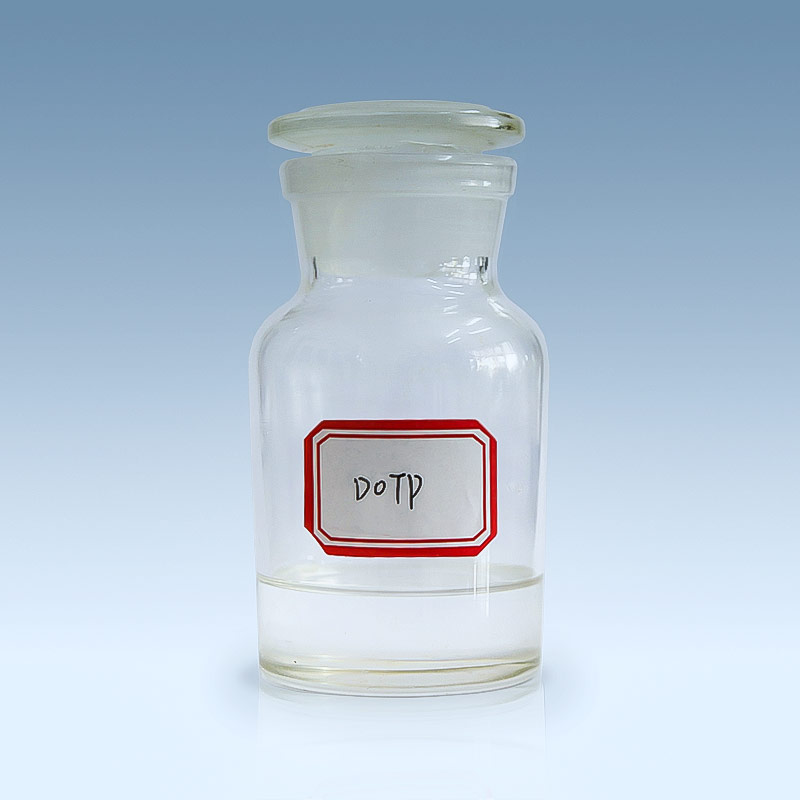
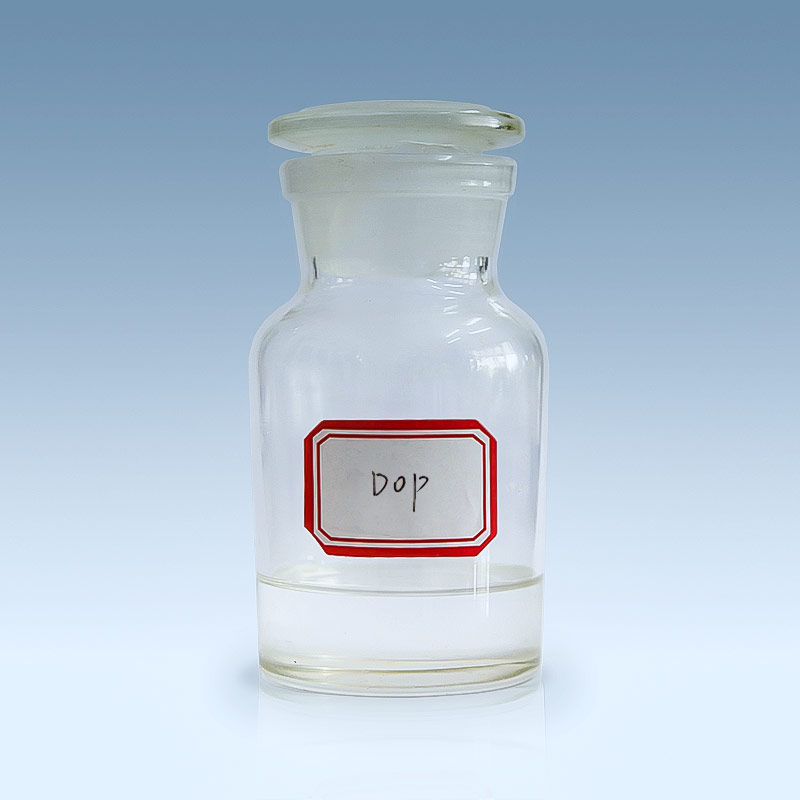
- Physical State: At room temperature, DOP is a clear, colorless, odorless, and highly viscous liquid with an oily consistency, making it easy to incorporate and mix into solid resins.
- Polymer Compatibility: It possesses excellent miscibility with a vast range of polymers, most notably Polyvinyl Chloride (PVC), ensuring a homogeneous and stable mixture upon processing.
- Fusion Efficiency: DOP is characterized by a fast fusion rate with PVC resin. This accelerates the manufacturing process, allowing polymers to transition quickly from a rigid powder to a pliable, meltable material suitable for shaping.
- Performance Longevity: It exhibits low volatility and low extractability under standard conditions. This stability is critical as it means the finished plastic product maintains its acquired flexibility and other properties for an extended period.
- Thermal Stability: The product offers good heat stability and is effective in improving the processing temperature range of the plastic, facilitating various manufacturing techniques like calendering, extrusion, and molding.
Mechanism of Plasticizing Action
The core product function of DOP is to act as an internal lubricant within the host polymer matrix. When blended with a resin like PVC, the DOP molecules physically interpose themselves between the long, tightly packed polymer chains.
- Molecular Interruption: This action effectively shields the strong intermolecular forces (van der Waals forces) that naturally cause the polymer to be rigid and brittle.
- Flexibility Imparted: By increasing the free volume between the chains, DOP dramatically lowers the material’s glass transition temperature (). This transformation results in a significant increase in the final product’s flexibility, softness, and elasticity.
- Cold Weather Performance: A specific technical advantage is the material’s ability to impart excellent low-temperature flexibility to the plastic, making it suitable for products used in colder environments.
Primary Industrial Applications
DOP’s versatility and performance make it a cornerstone additive across numerous sectors where flexible, durable plastics are required:
| Industry Sector | Typical Applications | Desired Property Enhanced by DOP |
|---|---|---|
| Electrical | Wire and cable insulation, sheathing | Electrical resistance, flexibility, durability |
| Construction | Vinyl flooring, roofing membranes, wall coverings | Wear resistance, weatherproofing, texture |
| Automotive | Seat covers, dashboard components, under-the-hood tubing | Flexibility, resistance to abrasion |
| Consumer Goods | Vinyl toys, shower curtains, rainwear, footwear components | Softness, elasticity, water resistance |
| General Industrial | Hoses, industrial films, protective coatings, adhesives | Workability, durability, ease of processing |
In summary, Dioctyl Phthalate is a highly efficient chemical product designed to transform inherently rigid polymers into adaptable, durable, and highly functional materials, supporting the manufacture of countless end products used globally every day.