

 English
 中文简体
中文简体Dioctyl phthalate, usually called DOP, is one of the most familiar general-purpose plasticizers in the flexible PVC industry. It has earned that position through reliable performance, easy processing, and attractive cost. Formulators use it to turn rigid PVC into soft products such as cable insulation, hoses, films, floor coverings, and coated fabrics. Tightening chemical regulations have changed the way buyers evaluate DOP, so this article explains what it is, how it behaves, where it is used, and what to check before ordering.
Content
- 1 What Is Dioctyl Phthalate?
- 2 Key Physical and Chemical Properties
- 3 How DOP Works as a Plasticizer
- 4 Where Dioctyl Phthalate Is Used
- 5 Processing DOP in PVC Formulations
- 6 Performance Profile: Strengths and Limitations
- 7 Regulatory Landscape and Safer Alternatives
- 8 Choosing and Buying Dioctyl Phthalate: A Practical Checklist
- 9 Partnering with an Experienced Plasticizer Manufacturer
What Is Dioctyl Phthalate?
Dioctyl phthalate is an organic ester made from phthalic anhydride and an octyl alcohol. In commercial practice, DOP most often refers to bis(2-ethylhexyl) phthalate, also known as DEHP, with the molecular formula C24H38O4 and a molecular weight near 390.6. A related isomer, di-n-octyl phthalate, is sometimes labelled DOP too, so buyers should check the CAS number on the technical data sheet. Commercial DOP is a clear, slightly yellow oily liquid with a mild odour. It is practically insoluble in water but blends readily with PVC resin, most organic solvents, and many rubber compounds.
DOP works by separating polymer chains. It sits between PVC molecules, weakens the forces holding them together, and lowers the glass transition temperature. The result is a material that stays flexible instead of cracking under stress.
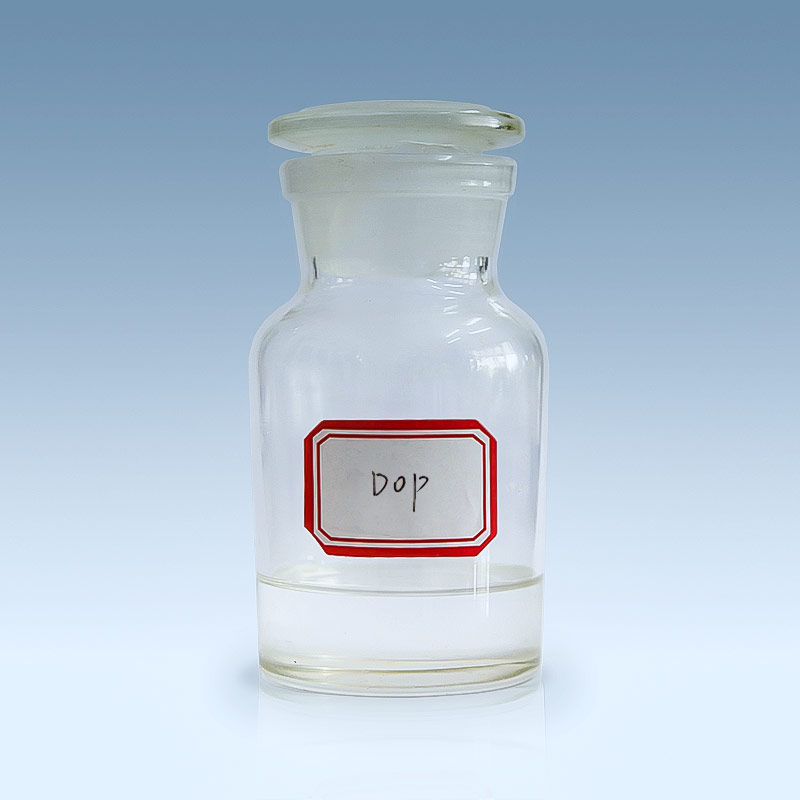 Dioctyl Phthalate DOP Plasticizer for Flexible PVC CompoundsPremium-grade DOP plasticizer with ≥99.5% ester content, low chroma, and high flash point, suitable for general soft PVC, wire, cable, and rubber applications.View Product →
Key Physical and Chemical Properties
Buyers usually compare DOP against a standard specification before approving a supplier. The table below lists the properties that appear most often in technical discussions and incoming inspections.
| Property | Typical value | Common test method |
|---|---|---|
| Appearance | Clear, oily liquid | Visual inspection |
| Colour, APHA | 40 max | ASTM D1209 |
| Ester content, % | 99.5 min | Gas chromatography |
| Density at 20 °C, g/cm³ | 0.982–0.986 | ASTM D4052 |
| Refractive index at 20 °C | 1.485–1.487 | ASTM D1218 |
| Acid value, mg KOH/g | 0.07 max | ASTM D1045 |
| Flash point, °C | 200 min | ASTM D93 |
| Water content, % | 0.10 max | Karl Fischer titration |
| Volatile matter, % | 0.20 max | ASTM D2288 |
These figures are not a substitute for a supplier's own certificate of analysis, but they provide a useful baseline for comparison. Small deviations in colour, acid value, or water content can affect processing behaviour and the final appearance of a PVC article.
How DOP Works as a Plasticizer
PVC resin alone is hard and brittle because chlorine atoms along the chain create strong polar attractions. DOP interrupts those attractions. Its ester groups interact with the polymer, while its hydrocarbon chains push the PVC chains apart. This increases free volume, lowers the glass transition temperature, and improves elongation and impact resistance.
The effect is not instant. During dry blending, DOP is absorbed into the PVC grains. In the melt stage, heat and shear complete gelation and fusion. A well-fused compound has a uniform network with the plasticizer locked into the polymer matrix. Poor fusion can cause plate-out and inconsistent mechanical properties.
Where Dioctyl Phthalate Is Used
DOP is a general-purpose plasticizer, so it fits a broad range of flexible PVC products rather than one narrow application. Typical end uses include:
- Wire and cable insulation and jacketing.
- Hoses, tubes, and profiles for industrial and household use.
- Flooring, wall coverings, and synthetic leather.
- Flexible films and sheets for packaging and construction.
- Sealants, adhesives, inks, and rubber compounds.
In each case the formulator adjusts the DOP loading to reach the target hardness, strength, and low-temperature flexibility. A soft garden hose may contain much more plasticizer than a semi-rigid cable jacket.
Processing DOP in PVC Formulations
Most flexible PVC compounds are made in two stages. First, PVC resin, stabilizers, fillers, and DOP are mixed in a high-speed mixer until the DOP is absorbed into the resin particles. The dry blend is then melted and homogenised in an internal mixer, twin-screw extruder, or two-roll mill. Typical melt temperatures range from about 160 °C to 190 °C, depending on the formulation and equipment.
DOP is easy to dose as a liquid and works well with common co-plasticizers. Excessive heat can increase volatility and cause surface defects, while too little heat leaves the compound under-fused. A trial run on the actual production line is the best way to confirm the processing window.
Performance Profile: Strengths and Limitations
DOP remains popular because it delivers a practical combination of properties. It plasticizes PVC efficiently, gives good elongation and flexibility, and processes well in standard equipment. It also offers useful electrical insulation and performs acceptably at low temperatures. For many general-purpose articles, it is still one of the most cost-effective choices available.
Its limitations are equally well known. DOP is relatively volatile compared with higher-molecular-weight plasticizers, and it can migrate into adjacent materials over time. In applications involving heat, extraction by oils or solvents, or long service life, formulators often blend it with a less volatile plasticizer or switch chemistry. Regulatory pressure in toys, childcare articles, food contact materials, and medical devices has also pushed many brands toward alternatives.
Regulatory Landscape and Safer Alternatives
Dioctyl phthalate is subject to different rules in different markets. In the European Union, certain phthalates are restricted under REACH and the RoHS Directive, and articles for children or food contact face additional limits. Similar restrictions exist in the United States, Canada, and several Asian countries. Buyers should confirm the latest requirements for the destination market and the specific end use, because the compliance picture can change.
When a formulation needs lower migration, better high-temperature performance, or a more favourable regulatory profile, several alternatives are available. DOTP is a terephthalate plasticizer with performance close to DOP in many flexible PVC compounds. DOA is an adipate ester valued for low-temperature flexibility and resistance to extraction. Other options include DINP, DIDP, TOTM, and bio-based plasticizers.
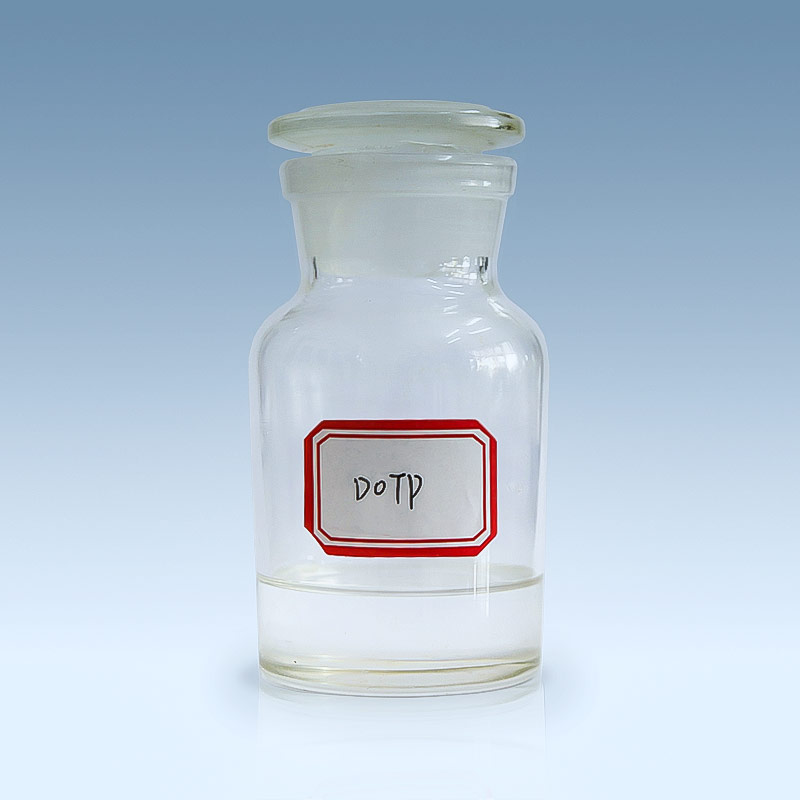 Dioctyl Terephthalate DOTP Plasticizer for High-Insulation PVC CablePremium DOTP plasticizer with low phthalate content, high flash point, and strong electrical properties, useful for high-insulation PVC cable materials and plastisol formulations.View Product →
 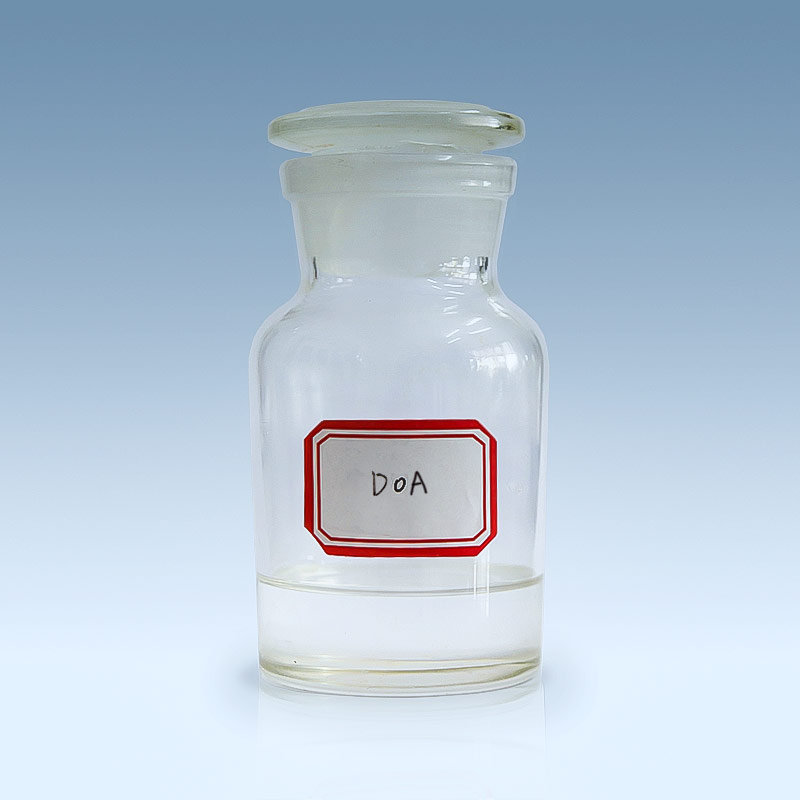 Dioctyl Adipate DOA Cold-Resistant Plasticizer for PVC and RubberPremium DOA plasticizer with high ester content, low-temperature flexibility, and good light fastness, often blended with DOP or DBP for films, cable, and outdoor pipes.View Product →
Choosing and Buying Dioctyl Phthalate: A Practical Checklist
Buying a commodity plasticizer is not only about the lowest price per tonne. Consistency, documentation, and supply reliability usually matter just as much. The following checklist can help purchasing teams and technical staff ask the right questions.
- Define the end use and the regulations that apply to it.
- Agree on a written specification, including ester content, colour, acid value, water content, and flash point.
- Request a certificate of analysis for each lot and keep a sample for reference.
- Confirm packaging, drum size, and available transport modes.
- Review the supplier's capacity, quality control, and delivery record.
- Run a laboratory or pilot trial before scaling up.
- Clarify storage conditions and shelf life.
For formulators who want to compare DOP with other options, our technical notes offer further reading on dioctyl phthalate. A short conversation with a supplier's technical team can also save weeks of trial and error.
Partnering with an Experienced Plasticizer Manufacturer
Zhejiang Great Chemical Science & Technology Co., Ltd. has been active in the plasticizer industry since 2008. The company describes itself as a large chemical manufacturing, trading, and plasticizer industry chain enterprise, with a site covering roughly 125 acres near the north bank of the Qiantang River crossing. Its location about 3 kilometres from Jiaxing Port and close to several expressways gives it convenient water and road access.
The company produces DOP, DOTP, DINP, DOA, and TOTM, along with phthalic anhydride. Its published capacity figures include 150,000 tonnes per year of plasticizers and 50,000 tonnes per year of phthalic anhydride. More than 180 employees support the operation. Buyers who need a consistent general-purpose plasticizer can learn more about our company and product range or send the specification they need.
Dioctyl phthalate will continue to play a role in flexible PVC because it does its job well and at a predictable cost. The key is to use it with clear eyes: understand its performance profile, check the regulations that apply to your market, and work with a supplier who can provide consistent quality and honest technical support. Matching the plasticizer to the application remains the most reliable route to a durable, cost-effective product.