

 English
 中文简体
中文简体Content
What DOA Dioctyl Adipate Actually Is
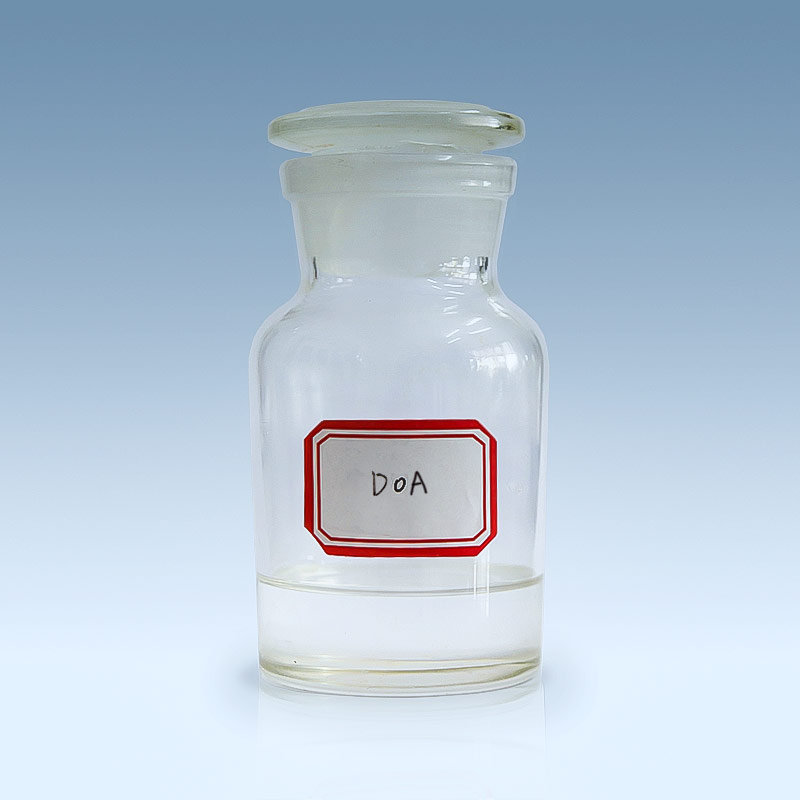
DOA Dioctyl Adipate, also written as dioctyl adipate or bis(2-ethylhexyl) adipate, is a colorless to pale yellow oily liquid used mainly as a plasticizer in PVC processing. Chemically, it's an ester formed from adipic acid and 2-ethylhexanol. Unlike phthalate-based plasticizers, DOA belongs to the adipate family, which is one reason manufacturers often reach for it when a phthalate-free option is preferred, especially for products that come into contact with food or skin.
In practical terms, DOA Dioctyl Adipate is added to rigid PVC resin to make it soft, flexible, and workable at low temperatures. Without a plasticizer like DOA, PVC would be too brittle for most film, wire, and flexible product applications.
Why DOA Stands Out Among Common Plasticizers
There are dozens of plasticizers on the market, but DOA Dioctyl Adipate is specifically valued for a few performance traits that make it hard to substitute in certain applications:
- Cold resistance: DOA keeps PVC flexible even in low-temperature environments, which is why it's a top choice for products used in cold storage or winter conditions.
- Low volatility: It doesn't evaporate out of the finished product as quickly as some lighter plasticizers, helping products stay flexible over a longer service life.
- Good compatibility with PVC resin: It blends evenly, reducing the risk of surface migration or a greasy film forming on the product.
- Food-contact suitability: Dioctyl adipate is approved for certain food-contact uses in multiple regulatory frameworks, which is why it shows up so often in cling film production.
Where DOA Dioctyl Adipate Is Commonly Used
Food Packaging Film
One of the most well-known uses of DOA Dioctyl Adipate is in PVC cling film and food wrap. Its low toxicity profile and resistance to migration make it a preferred plasticizer where the film is in direct contact with food, particularly fatty foods where plasticizer migration is a bigger concern.
Wire and Cable Insulation
DOA is frequently blended into PVC compounds used for wire and cable coatings, especially for cables rated for outdoor or cold-climate use, since the insulation needs to stay flexible instead of cracking in freezing temperatures.
Artificial Leather and Synthetic Materials
In synthetic leather production, dioctyl adipate helps maintain softness and flexibility in the finished material, which is important for products like bags, upholstery, and footwear that need to resist stiffening over time.
Cosmetics and Personal Care
Outside of PVC, dioctyl adipate is also used in smaller quantities as an emollient in cosmetics and skincare formulations, valued for its light texture and skin-conditioning properties.
DOA Compared to Other Common Plasticizers
Choosing between DOA Dioctyl Adipate and alternatives like DOP or DINP usually comes down to the specific performance needs of the final product. Here's a general comparison:
| Property | DOA Dioctyl Adipate | DOP | DINP |
| Chemical Class | Adipate Ester | Phthalate Ester | Phthalate Ester |
| Cold Resistance | Excellent | Moderate | Moderate |
| Food-Contact Use | Common | Restricted in Many Regions | Restricted in Many Regions |
| Cost | Higher | Lower | Lower to Moderate |
The higher cost of DOA is generally justified when a product specifically needs low-temperature flexibility or food-safe performance, both areas where phthalate plasticizers tend to fall short.
What to Check Before Buying DOA Dioctyl Adipate
Not all dioctyl adipate on the market is produced to the same quality standard, so a few checks are worth doing before placing a bulk order:
- Purity level: Look for a certificate of analysis confirming purity, typically above 99 percent for industrial-grade DOA.
- Acid value and moisture content: Lower values here generally indicate a cleaner, more stable product for processing.
- Color and clarity: DOA should be nearly colorless; a yellow tint can indicate impurities or degradation.
- Regulatory documentation: For food-contact or cosmetic use, confirm the supplier can provide relevant compliance certificates for your target market.
- Packaging and storage condition on arrival: DOA should arrive in sealed, properly labeled drums or IBC totes without signs of contamination.
Storage and Handling Tips
DOA Dioctyl Adipate should be stored in a cool, dry, well-ventilated area away from direct sunlight and strong oxidizers. While it has a relatively low toxicity profile compared to many industrial chemicals, standard handling precautions still apply, including using gloves and eye protection during transfer and avoiding prolonged skin contact. Containers should be kept tightly sealed when not in use to prevent moisture absorption, which can affect the plasticizer's performance in the final PVC compound. Most suppliers recommend using stock within the shelf life indicated on the product's technical data sheet to ensure consistent processing results.