

 English
 中文简体
中文简体Content
- 1 What Is DOP Plasticizer and Why It's Used So Widely
- 2 Key Properties That Make DOP Plasticizer Effective
- 3 Common Applications of DOP Plasticizer
- 4 Safety and Regulatory Considerations
- 5 DOP Plasticizer vs Alternative Plasticizers
- 6 Storage and Handling Best Practices
- 7 Tips for Sourcing Quality DOP Plasticizer
What Is DOP Plasticizer and Why It's Used So Widely
DOP plasticizer, short for Dioctyl Phthalate (also called Di-2-ethylhexyl Phthalate or DEHP), is one of the most widely used plasticizers in the plastics industry, particularly for PVC processing. Its job is simple but essential: it gets inserted between the long polymer chains of rigid PVC resin, reducing the friction between them and turning a hard, brittle material into something flexible, soft, and workable. Without a plasticizer like DOP, PVC would remain stiff and unsuitable for products like cables, flooring, or flexible tubing. DOP has remained a market favorite for decades because it offers a strong balance of low cost, good compatibility with PVC resin, and solid overall performance across temperature ranges, which is why it still dominates plasticizer consumption in many regions despite newer alternatives entering the market.
Key Properties That Make DOP Plasticizer Effective
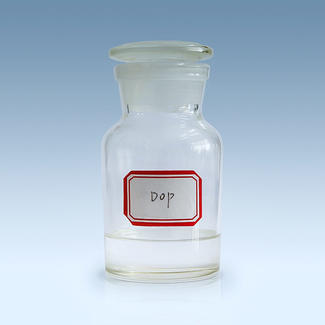
Understanding the technical properties of DOP plasticizer helps explain why manufacturers choose it over other options for specific applications. It is a colorless to pale yellow oily liquid with very low water solubility, which contributes to its long-term stability inside finished plastic products.
| Property | Typical Value | Why It Matters |
| Molecular Weight | ~390 g/mol | Affects migration rate and volatility |
| Boiling Point | ~385°C | Supports heat stability during processing |
| Density | ~0.98 g/cm³ | Affects dosing and mixing ratios |
| Water Solubility | Very low | Improves durability in humid conditions |
| Compatibility | High with PVC resin | Ensures smooth, even flexibility |
These properties combine to give finished PVC products good flexibility, decent cold resistance, and reasonable resistance to migration, meaning the plasticizer stays inside the material rather than leaching out too quickly under normal conditions.
Common Applications of DOP Plasticizer
DOP plasticizer shows up in far more everyday products than most people realize. Its versatility across flexible PVC formulations makes it a go-to choice across several industries.
Wires and Cables
DOP is heavily used in insulation and sheathing for electrical wires and cables because it provides the flexibility needed for bending and installation while maintaining decent electrical insulation properties.
Flooring and Wall Coverings
Vinyl flooring and wallpaper rely on DOP to stay soft and workable, allowing for easier installation and better impact absorption underfoot compared to rigid alternatives.
Films and Sheets
Flexible PVC films used in packaging, tarpaulins, and agricultural sheeting depend on DOP to remain pliable and resistant to cracking during folding or rolling.
Artificial Leather and Coated Fabrics
DOP plasticizer helps synthetic leather achieve a soft hand-feel and good drape, which is important for furniture upholstery, bags, and automotive interior trim.
Safety and Regulatory Considerations
Because DOP belongs to the phthalate family, it has come under increasing regulatory scrutiny in several countries, particularly regarding its use in toys, food contact materials, and medical devices intended for children or vulnerable populations. Some regions have imposed restrictions or outright bans on DOP in specific consumer products due to concerns about long-term exposure. Businesses sourcing or using DOP plasticizer should stay updated on regulations such as REACH in the European Union or similar restrictions in their target markets, since compliance requirements can vary significantly depending on the end-use application and the country of sale.
- Check restrictions before using DOP in children's products or toys
- Verify food-contact suitability with local regulatory bodies
- Review medical device standards if DOP is used in healthcare-related PVC
- Request updated safety data sheets (SDS) from suppliers regularly
DOP Plasticizer vs Alternative Plasticizers
With regulatory pressure increasing in some markets, many manufacturers are evaluating whether to stick with DOP or shift toward alternative plasticizers such as DINP, DOTP, or bio-based options like epoxidized soybean oil. DOP generally remains the more cost-effective option and offers excellent processing performance, but alternatives like DOTP are gaining ground because they are non-phthalate and considered to have a more favorable safety profile for sensitive applications. The right choice often comes down to the specific end product, target market regulations, and whether the cost savings of DOP outweigh the marketing or compliance advantages of switching to a newer plasticizer.
| Plasticizer | Cost | Regulatory Status |
| DOP (DEHP) | Low | Restricted in some consumer goods |
| DINP | Moderate | Widely accepted, some limits apply |
| DOTP | Moderate-High | Non-phthalate, broadly permitted |
| Epoxidized Soybean Oil | High | Bio-based, favorable for sensitive uses |
Storage and Handling Best Practices
Proper storage extends the usability of DOP plasticizer and keeps workplace handling safe. It should be stored in tightly sealed containers away from direct sunlight and strong oxidizing agents, in a cool, dry, and well-ventilated area. Since DOP is a liquid at room temperature, containers should be checked periodically for leaks or seal damage, and secondary containment is recommended for larger storage volumes to prevent spills from spreading. Workers handling DOP in bulk should use standard protective equipment such as gloves and eye protection, and facilities should have proper ventilation to minimize inhalation exposure during mixing or compounding processes.
- Store in sealed containers away from heat and sunlight
- Keep separate from strong oxidizers and incompatible chemicals
- Use secondary containment for bulk storage tanks
- Ensure proper ventilation during compounding and mixing
Tips for Sourcing Quality DOP Plasticizer
Not all DOP plasticizer on the market meets the same quality standards, so it pays to vet suppliers carefully before committing to large purchase volumes. Requesting a certificate of analysis (COA) for each batch helps confirm purity levels and consistency, while asking for third-party lab testing can verify that the product matches the specifications on paper. It's also worth comparing suppliers based on their production capacity and consistency history, since interruptions in supply can disrupt manufacturing schedules significantly. For businesses new to sourcing, ordering a smaller trial batch before a full bulk order allows for real-world testing in actual production conditions before scaling up.
- Request a certificate of analysis for every batch purchased
- Ask for third-party lab verification on purity and specifications
- Order a trial batch before committing to bulk quantities
- Compare supplier production capacity and delivery consistency