

 English
 中文简体
中文简体In our modern world, plastics are everywhere—from the cars we drive to the medical devices that save lives, and the food packaging we use every day. Yet, a growing awareness of the chemicals within these materials has sparked a “soft revolution” in how we make them flexible. At the heart of this shift is an essential molecule: Dioctyl Terephthalate (DOTP), the non-toxic, high-performance champion replacing older, controversial ingredients.
Content
The Crucial Role of Plasticizers
To understand why DOTP is so important, we first have to understand why plastics need them at all.
What is a Plasticizer?
Many common plastics, such as Polyvinyl Chloride (PVC), are naturally rigid, stiff, and sometimes brittle. A plasticizer is an additive, typically a viscous, colorless liquid, that is mixed into the polymer. Its job is essentially that of a molecular lubricant.
- It slides in between the long, tangled polymer chains of the plastic.
- It slightly separates the chains and weakens the strong attractive forces holding them together.
- This process allows the polymer chains to move and slide past each other more easily, transforming the hard plastic into a flexible, bendable, and soft material.
This ability to control flexibility is what makes PVC so versatile, turning it into everything from durable roofing membranes and wire insulation to soft medical tubing and vinyl toys.
From Phthalates to Phthalate-Free
For decades, the workhorse of the plasticizer industry was a family of chemicals known as phthalates, most famously Dioctyl Phthalate (DOP), also called DEHP. DOP was cheap and effective, but a growing body of scientific evidence began to raise concerns.
The Phthalate Problem
Ortho-phthalates, like DOP, have been linked to potential adverse health effects, including acting as endocrine disruptors. Because of this, regulators in many countries began to ban or heavily restrict their use, especially in products for children (toys) and those that come into direct contact with the human body (food packaging and medical devices). This created an urgent demand for a safer, non-toxic alternative that could match the performance of the traditional compounds.
DOTP: The Chemical Successor
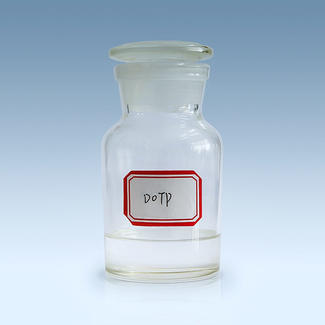
Dioctyl Terephthalate (DOTP), also known by its longer chemical name Di(2-ethylhexyl) terephthalate or sometimes DEHT, is the answer the industry was looking for.
- A Molecular Twist: The key to DOTP’s safety lies in its molecular structure. While it looks very similar to its phthalate predecessors, the internal arrangement of atoms is different. DOP is an ester of phthalic acid (an ortho-phthalate), but DOTP is an ester of terephthalic acid. This difference, though small, makes the molecule non-toxic and structurally stable, allowing it to bypass the regulatory concerns associated with traditional phthalates.
- Safety Profile: DOTP is officially classified as a non-phthalate plasticizer. It has an excellent toxicological profile and is approved for use in highly sensitive applications globally.
Why DOTP Outperforms the Old Guard
The shift to DOTP wasn’t just driven by safety regulations; in many ways, it’s also a technically superior molecule that delivers better products.
Superior Performance Characteristics
Low Volatility
DOTP has very low volatility, meaning it is less likely to evaporate or escape the plastic over time. This translates to product longevity. Plastic items made with DOTP will maintain their flexibility for years longer and won’t become brittle as quickly as those made with high-volatility plasticizers. This also means less chemical “smell” from products like new car interiors or vinyl shower curtains.
Low Migration Resistance
The molecule has a better resistance to migration (leaching). This is vital for medical devices like IV bags and tubing, where the plasticizer must not leak into the fluid, as well as for food-contact films. It ensures the plasticizer stays in the product, not in the patient or the food.
Thermal and Electrical Stability
DOTP exhibits excellent thermal stability and superior electrical properties. This makes it the preferred plasticizer for modern wire and cable insulation, especially in high-temperature applications where the material must resist heat degradation and maintain effective electrical resistance.
DOTP in Our Daily Lives
The versatility and safety of DOTP Plasticizer have allowed it to become the modern standard in countless applications:
- In the Home: It’s found in durable vinyl flooring, soft artificial leather for furniture, wall coverings, and flexible garden hoses.
- In Healthcare: It’s critical for high-safety products like blood bags, various types of medical tubing, and other flexible components that require sterilization and must not leach harmful chemicals.
- In Transportation: It’s used in automotive interiors, such as dashboards and upholstery, where its low volatility helps reduce “fogging” (a cloudy film on the windshield caused by plasticizer evaporation) and improves the material’s durability against heat exposure.
- In Sustainable Manufacturing: A novel and environmentally friendly application involves using recycled PET plastic (the material in water bottles) as a raw material to chemically synthesize new DOTP plasticizer, helping to promote material circularity.
As the world continues to demand safer, more sustainable, and higher-performing materials, DOTP is solidifying its position as the non-phthalate plasticizer of choice, championing a quieter, cleaner revolution in the chemistry of everyday plastics.