

 English
 中文简体
中文简体Content
- 1 What Phthalic Anhydride Is and Why It Matters in Industry
- 2 How Phthalic Anhydride Is Produced
- 3 Main Industrial Applications of Phthalic Anhydride
- 4 Common Products That Rely on Phthalic Anhydride
- 5 Handling, Storage, and Safety Considerations
- 6 Market Trends and the Future of Phthalic Anhydride
- 7 Key Takeaways for Buyers and Manufacturers
What Phthalic Anhydride Is and Why It Matters in Industry
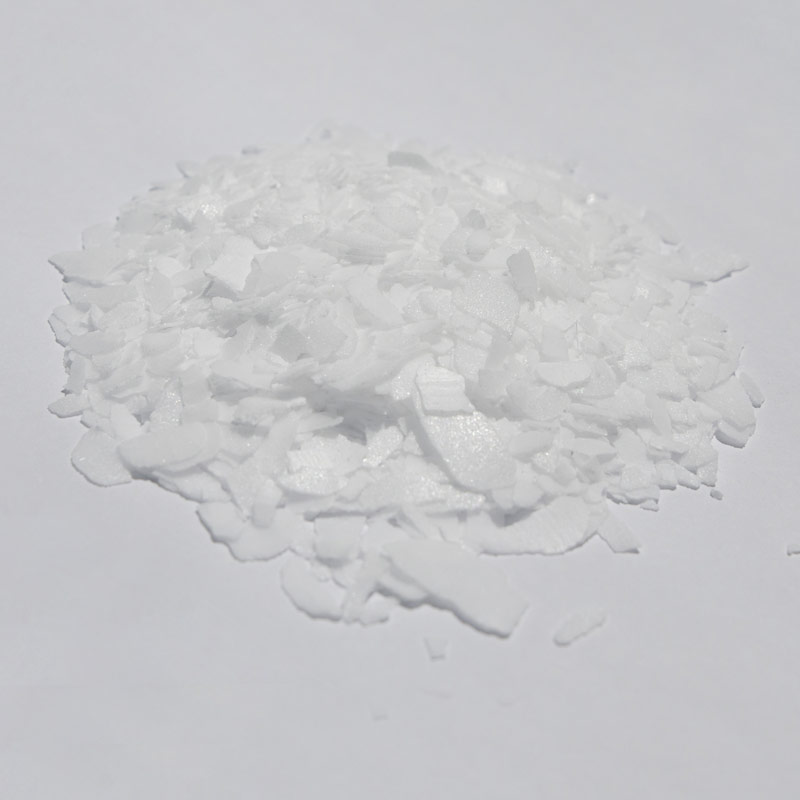
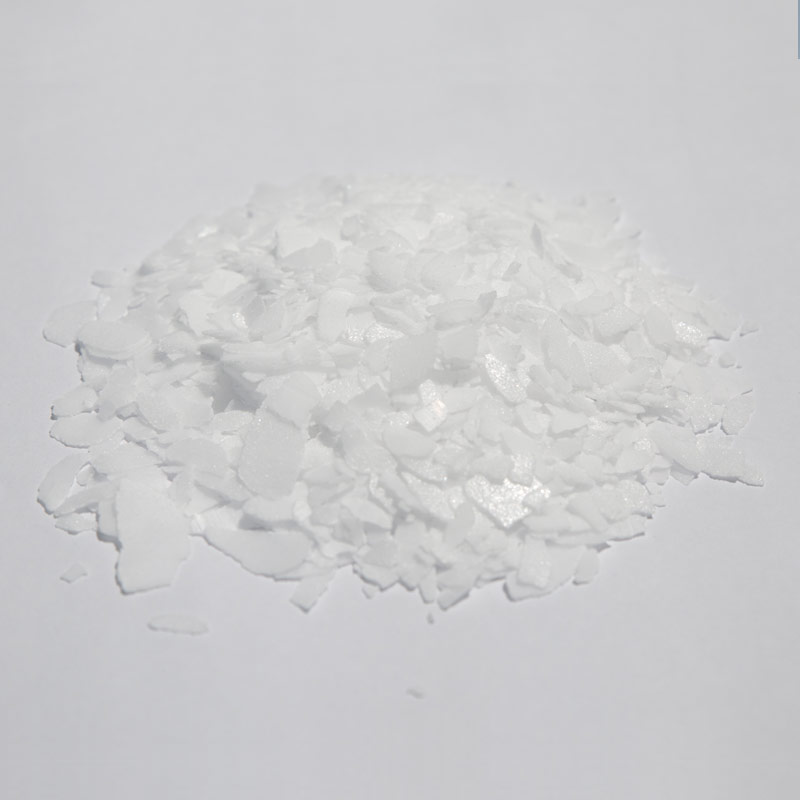
Phthalic anhydride is one of the most widely produced organic chemicals in the world, and there is a good chance that products in your home or workplace were made using it without you ever realizing it. This white, crystalline solid is derived primarily from the oxidation of ortho-xylene or naphthalene, and it serves as a foundational building block for plastics, coatings, and resins. Understanding phthalic anhydride is useful whether you work in manufacturing, procurement, chemical safety, or simply want to understand how everyday plastic products are made.
Because phthalic anhydride reacts readily with alcohols and other compounds, it becomes a key intermediate in producing plasticizers, unsaturated polyester resins, and alkyd resins. Its versatility is exactly why it remains in such high demand across so many industries decades after its industrial production first began.
How Phthalic Anhydride Is Produced
Industrial production of phthalic anhydride typically follows one of two main routes, depending on the raw material used and the scale of the facility. Both processes rely on catalytic oxidation, but the choice between them affects cost, yield, and byproduct management.
| Production Route | Raw Material | Common Use |
| Ortho-xylene oxidation | Ortho-xylene, air, vanadium pentoxide catalyst | Most common modern method |
| Naphthalene oxidation | Naphthalene, air, vanadium pentoxide catalyst | Older method, still used in some regions |
In both cases, the reaction takes place at high temperatures in the presence of a vanadium pentoxide catalyst, converting the raw hydrocarbon into phthalic anhydride through a series of oxidation steps. The ortho-xylene route has become more popular over time because it generally offers a higher yield and produces fewer unwanted byproducts.
Main Industrial Applications of Phthalic Anhydride
Plasticizer Production
The largest single use of phthalic anhydride is in the manufacture of phthalate plasticizers, such as diethylhexyl phthalate and diisononyl phthalate. These plasticizers are blended into polyvinyl chloride, or PVC, to make it flexible and workable. Without phthalic anhydride derived plasticizers, many everyday PVC products such as flooring, cables, and flexible tubing would remain rigid and brittle.
Unsaturated Polyester Resins
Phthalic anhydride is also a key ingredient in unsaturated polyester resins, which are used to produce fiberglass reinforced products such as boat hulls, automotive body panels, and construction panels. These resins gain durability and rigidity from the phthalic anhydride component, making them suitable for demanding structural applications.
Alkyd Resins for Coatings
In the paint and coatings industry, phthalic anhydride reacts with polyols and fatty acids to form alkyd resins. These resins are prized for their durability, gloss, and resistance to weathering, making them a common choice in architectural paints, industrial coatings, and varnishes.
Common Products That Rely on Phthalic Anhydride
Because phthalic anhydride sits at the center of so many chemical processes, its influence shows up in a surprisingly wide range of finished goods. Some of the most common examples include:
- Flexible PVC flooring, wall coverings, and cable insulation
- Fiberglass boat hulls and reinforced panels
- Alkyd based paints and industrial coatings
- Dyes and pigments used in textiles and inks
- Certain pharmaceutical intermediates and specialty chemical formulations
This broad range of applications explains why global demand for phthalic anhydride has remained consistently strong, even as some regions shift toward alternative plasticizer chemistries.
Handling, Storage, and Safety Considerations
Physical Hazards to Keep in Mind
Phthalic anhydride is classified as an irritant, and direct contact with skin, eyes, or the respiratory system can cause discomfort or more serious reactions with prolonged exposure. Facilities that handle this chemical typically require proper ventilation, protective equipment such as gloves and goggles, and clear handling procedures to minimize worker exposure.
Storage Best Practices
Because phthalic anhydride is sensitive to moisture, it should be stored in a dry, well-ventilated area away from water sources, since contact with moisture can cause it to hydrolyze into phthalic acid. Storage containers should be sealed properly, and facilities often monitor humidity levels closely to preserve product quality and prevent unwanted reactions.
Transportation Regulations
As an internationally regulated industrial chemical, phthalic anhydride shipments are subject to specific labeling, packaging, and documentation requirements depending on the transportation mode and destination country. Companies that import or export phthalic anhydride typically work closely with compliance teams to ensure shipments meet all applicable regulations.
Market Trends and the Future of Phthalic Anhydride
Global demand for phthalic anhydride continues to be shaped by construction activity, automotive production, and coatings industry growth, since these sectors consume large volumes of the resins and plasticizers derived from it. At the same time, some regions have introduced stricter regulations on certain ortho-phthalate plasticizers due to health concerns, prompting manufacturers to explore alternative non-phthalate plasticizers for sensitive applications such as children's products and food packaging.
Despite these shifts, phthalic anhydride remains firmly established in industrial applications where phthalate alternatives have not yet matched its performance or cost efficiency, particularly in unsaturated polyester resins and alkyd coatings. Companies operating in this space continue to invest in cleaner production methods and improved catalyst efficiency to reduce environmental impact while maintaining steady output.
Key Takeaways for Buyers and Manufacturers
For businesses that purchase or process phthalic anhydride, understanding its production method, purity grade, and intended application can help avoid costly mismatches between supply and manufacturing needs. Buyers should always confirm the specific grade required for their process, whether it is intended for plasticizer synthesis, resin production, or another specialty use, since purity requirements can vary significantly between applications.
Working with reputable suppliers who provide clear safety data sheets and consistent quality control helps ensure that phthalic anhydride integrates smoothly into downstream manufacturing processes, ultimately supporting product quality and regulatory compliance across the supply chain.