

 English
 中文简体
中文简体Content
- 1 What Exactly Is Phthalic Anhydride?
- 2 How Phthalic Anhydride Is Manufactured
- 3 Where Phthalic Anhydride Is Actually Used
- 4 Comparing Phthalic Anhydride's Main Industrial Applications
- 5 Handling, Storage, and Safety Considerations
- 6 What Buyers Should Check Before Purchasing Phthalic Anhydride
- 7 The Bigger Picture: Why Phthalic Anhydride Still Matters
What Exactly Is Phthalic Anhydride?
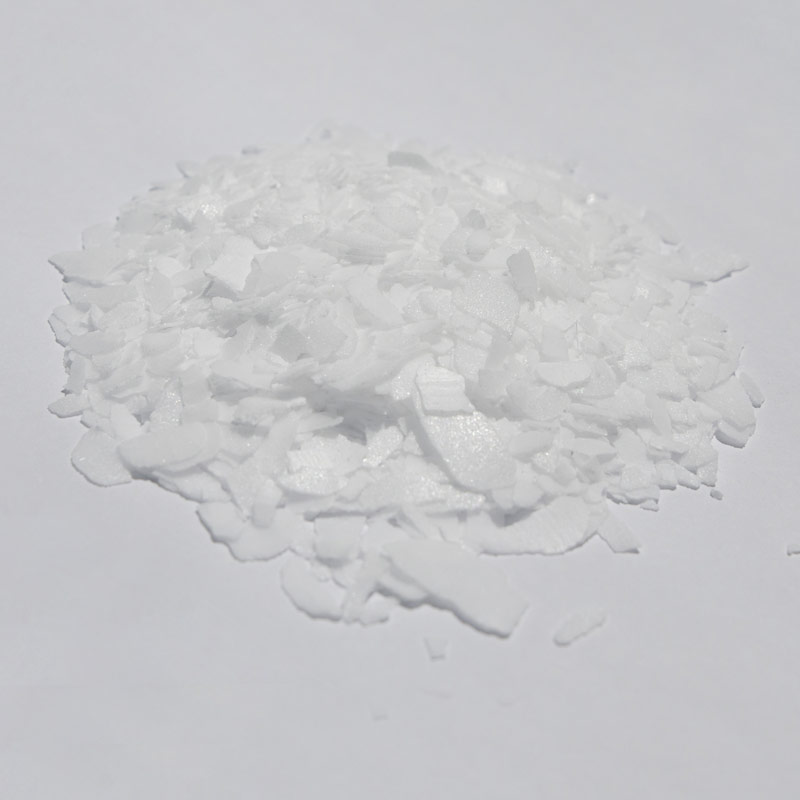
Phthalic Anhydride, often shortened to PA in industry conversations, is a white crystalline solid made by oxidizing either ortho-xylene or naphthalene. It has a sharp, distinctive odor and is one of the most widely produced organic chemicals in the world. Most people never encounter it directly, but they interact with products made from it every single day — vinyl flooring, garden hoses, car interiors, paints, and even certain food packaging materials all trace back to this compound. Chemically, Phthalic Anhydride is prized because its ring structure reacts easily with alcohols and other compounds, making it a building block rather than a finished product on its own.
Because it sits at the intersection of petrochemicals and plastics manufacturing, Phthalic Anhydride pricing and availability tend to track closely with oil and gas markets. Anyone sourcing it for industrial use should understand not just what it does chemically, but how the broader supply chain affects cost and lead time.
How Phthalic Anhydride Is Manufactured
There are two dominant production routes for Phthalic Anhydride, and the choice between them usually comes down to regional feedstock availability and cost.
- Ortho-xylene oxidation: This is the more common method today, especially in regions with abundant petroleum-based feedstocks. Ortho-xylene is passed over a vanadium pentoxide catalyst at high temperature, converting it into Phthalic Anhydride through controlled oxidation.
- Naphthalene oxidation: An older method still used in some facilities, particularly where naphthalene is a cheap byproduct of coal tar or petroleum refining. It generally yields a slightly less pure product without additional purification steps.
After the initial reaction, the crude product is cooled, condensed, and then purified through distillation or sublimation to reach the purity levels required for industrial-grade or technical-grade applications. Manufacturers closely monitor this stage since even small impurities can affect downstream reactions, particularly in plasticizer synthesis.
Where Phthalic Anhydride Is Actually Used
The single largest use of Phthalic Anhydride is as a raw material for plasticizers, particularly phthalate esters like DOP (dioctyl phthalate) and DINP (diisononyl phthalate). These plasticizers are blended into PVC to make it flexible instead of rigid, which is why PVC can be turned into everything from flooring to cable insulation to inflatable products.
Plasticizer Production
Roughly half of global Phthalic Anhydride output goes toward plasticizer manufacturing. Without it, flexible PVC as we know it wouldn't exist in its current form, which is why demand for PA tends to move in tandem with construction and automotive industry cycles.
Unsaturated Polyester Resins
Phthalic Anhydride also serves as a key ingredient in unsaturated polyester resins, which are used to manufacture fiberglass products, boat hulls, bathtubs, and reinforced pipes. The resin's mechanical strength and resistance to weathering owe a lot to the phthalate backbone introduced during synthesis.
Alkyd Resins for Coatings
In the paint and coatings industry, Phthalic Anhydride is a core component of alkyd resins. These resins give paints their durability, gloss, and resistance to weathering, which is why they remain popular in architectural and industrial coatings despite competition from newer resin chemistries.
Dyes, Pigments, and Specialty Chemicals
A smaller but steady portion of Phthalic Anhydride production goes into manufacturing dyes and pigments, including phthalocyanine blue and green pigments used in printing inks, plastics coloring, and textiles.
Comparing Phthalic Anhydride's Main Industrial Applications
| Application | Typical End Product | Approx. Share of Demand |
| Plasticizers | Flexible PVC products | 45-50% |
| Unsaturated Polyester Resins | Fiberglass, boat hulls | 25-28% |
| Alkyd Resins | Paints and coatings | 15-18% |
| Dyes and Pigments | Inks, colorants | 5-8% |
Handling, Storage, and Safety Considerations
Phthalic Anhydride is not something to handle casually. It's classified as an irritant and can cause respiratory issues, skin reactions, and eye irritation on contact or inhalation of dust and fumes. Facilities that store or process it need to follow specific protocols to keep workers safe and to prevent product degradation.
- Store in a cool, dry, well-ventilated area away from moisture, since Phthalic Anhydride reacts with water to form phthalic acid, which reduces product purity.
- Use sealed containers or nitrogen-blanketed storage tanks for bulk quantities to limit moisture exposure and oxidation.
- Provide workers with respiratory protection, gloves, and eye protection when handling molten or powdered PA.
- Keep it away from strong oxidizers and bases, as it can react vigorously and generate heat.
- Ensure proper labeling and documentation in line with regional chemical safety regulations, since transport and storage rules vary by country.
Facilities that melt PA for downstream processing also need to manage temperature carefully. It melts around 131°C, and maintaining consistent molten-state handling helps avoid solidification in pipes and equipment, which can cause costly downtime.
What Buyers Should Check Before Purchasing Phthalic Anhydride
For companies sourcing Phthalic Anhydride as a raw material, purity and consistency matter more than price alone. A batch with inconsistent purity can throw off downstream reactions in plasticizer or resin synthesis, leading to production delays or off-spec finished goods.
- Request a certificate of analysis (COA) confirming purity, typically 99.5% or higher for industrial-grade PA.
- Ask about the production method used, since naphthalene-derived PA may carry trace impurities that ortho-xylene-derived PA does not.
- Confirm packaging type, whether flaked, molten, or briquetted, based on what your equipment can process.
- Check supplier consistency and delivery reliability, especially since PA pricing can swing with feedstock and energy costs.
Working with an established supplier that can provide consistent lot-to-lot quality tends to save more money over time than chasing the lowest quoted price, particularly for manufacturers running continuous production lines.
The Bigger Picture: Why Phthalic Anhydride Still Matters
Even as some markets shift toward non-phthalate plasticizers due to health and environmental concerns, Phthalic Anhydride remains deeply embedded in global manufacturing. Its role in resins, coatings, and specialty chemicals isn't going away anytime soon, and ongoing demand from construction, automotive, and marine industries keeps it a staple commodity chemical. Understanding how it's produced, where it's used, and how to handle it safely gives manufacturers and buyers a clearer picture of why this unassuming white compound continues to underpin so much of the material world around us.