

 English
 中文简体
中文简体Content
The Role of Phthalic Anhydride in Modern Industry
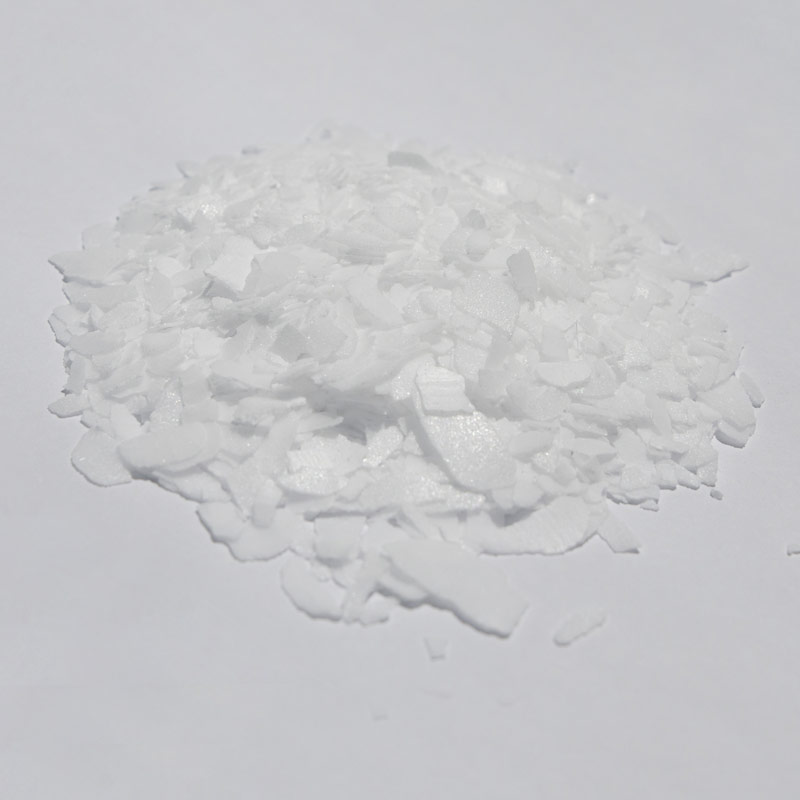
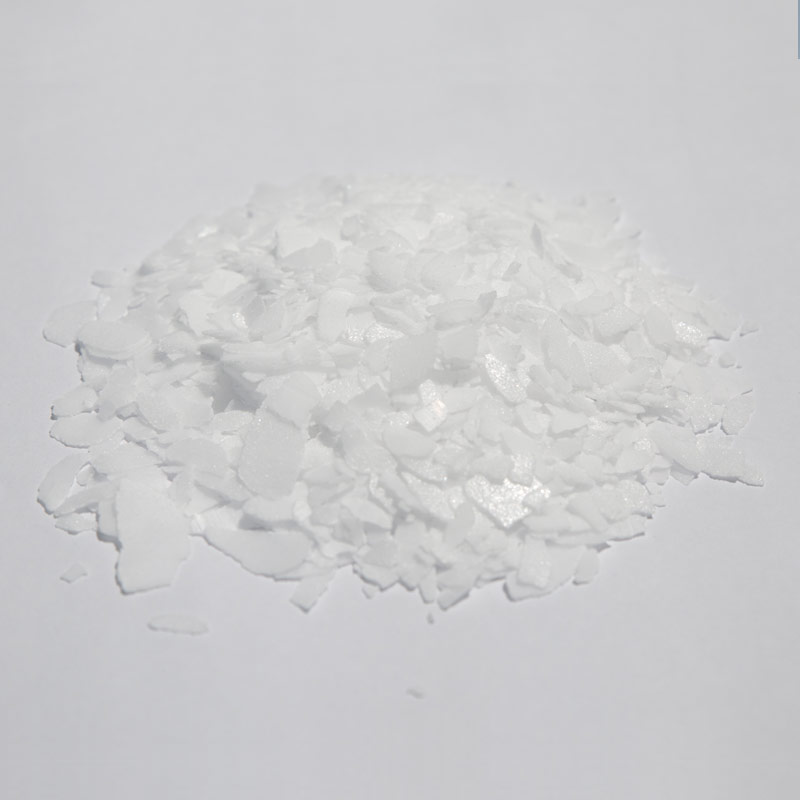
Phthalic anhydride (PA) is a versatile chemical intermediate that serves as a fundamental building block in the global petrochemical industry. As of 2025, it remains indispensable for the production of high-volume commodities, ranging from flexible plastics to high-performance coatings. Characterized by its white, crystalline appearance in solid form or as a clear molten liquid, this compound is primarily utilized to impart flexibility, durability, and corrosion resistance to various end-products. Its strategic importance is underscored by its massive integration into the construction, automotive, and consumer goods sectors.
The chemical’s utility stems from its bifunctional nature, allowing it to undergo various reactions like alcoholysis and condensation. These reactions yield essential derivatives such as phthalate plasticizers and alkyd resins. With the global market valued at billions of dollars, the demand for phthalic anhydride is closely tied to infrastructure development and the increasing production of passenger vehicles, particularly in emerging economies across the Asia-Pacific region.
Primary Industrial Applications and Derivatives
Plasticizer Production for Flexible PVC
The single largest application for phthalic anhydride is the manufacturing of phthalate esters, which act as plasticizers for polyvinyl chloride (PVC). By integrating these esters into the polymer matrix, rigid PVC is transformed into a flexible material suitable for wire insulation, flooring, medical tubing, and automotive interiors. High-molecular-weight phthalates produced from PA are particularly valued in 2025 for their low volatility and superior performance in extreme temperatures.
Alkyd Resins and Surface Coatings
Phthalic anhydride is a critical component in the synthesis of alkyd resins. These resins serve as the primary binder in many solvent-borne paints, varnishes, and industrial coatings. Their ability to provide a durable, high-gloss finish makes them a preferred choice for decorative architectural paints and protective coatings for machinery. Even with the rise of water-borne alternatives, alkyd resins remain dominant in heavy-duty anticorrosive applications.
Unsaturated Polyester Resins (UPR)
In the composites industry, PA is reacted with glycols to create unsaturated polyester resins. These resins are reinforced with glass fibers to produce fiberglass-reinforced plastics (FRP). These materials are vital for the construction of boat hulls, wind turbine blades, and lightweight automotive panels. The shift toward renewable energy has significantly boosted the consumption of PA in the manufacturing of large-scale wind power components.
Industrial Production Methods
The commercial production of phthalic anhydride is achieved through the catalytic oxidation of hydrocarbons. While naphthalene was the original feedstock, the modern industry has largely shifted toward o-xylene due to its better atom economy and higher yields. Both processes rely on vanadium pentoxide (V2O5) based catalysts to facilitate the reaction at elevated temperatures.
| Feature | O-Xylene Process | Naphthalene Process |
| Primary Feedstock | Petroleum-derived Ortho-xylene | Coal tar-derived Naphthalene |
| Reactor Type | Fixed-bed tubular reactor | Fluidized-bed or Fixed-bed |
| Temperature Range | 340°C – 385°C | 350°C – 400°C |
| By-products | Maleic anhydride, CO2 | Naphthoquinone, Maleic anhydride |
The reaction is highly exothermic, requiring sophisticated cooling systems, typically using molten salt baths. The resulting crude product is captured using switch condensers, which alternate between cooling (to desublimate the PA) and heating (to melt and collect it). The final product is purified via vacuum distillation to reach a purity level of 99.8% or higher.