

 English
 中文简体
中文简体Content
What Is TOTM Plasticizer, Really?
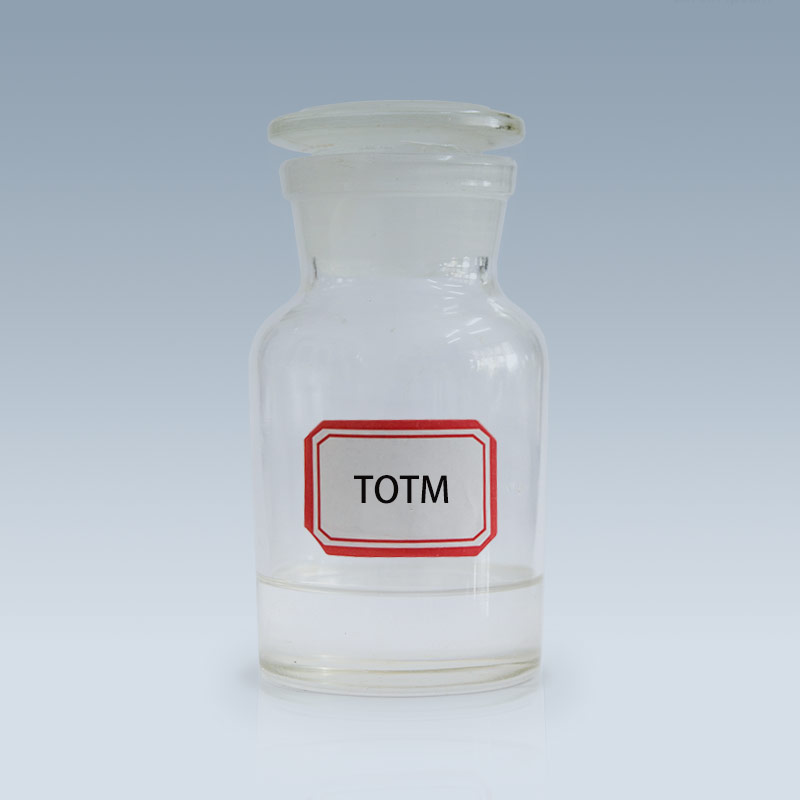
TOTM plasticizer, short for Trioctyl Trimellitate, is a colorless, odorless liquid additive used to make rigid plastics — mostly PVC — soft, flexible, and easier to work with. Chemically, it belongs to the trimellitate family rather than the phthalate family, which is one reason it has become the go-to alternative wherever phthalate plasticizers like DEHP are being phased out. If you've ever touched a soft power cable, a heat-resistant hose, or flexible medical tubing, there's a good chance TOTM plasticizer played a role in giving that material its bendable, durable feel.
Unlike general-purpose plasticizers that are picked mainly for cost, TOTM plasticizer is chosen specifically for performance. It has a much larger molecular structure than common phthalates, and that size is exactly what gives it its two most valuable traits: it doesn't migrate out of the plastic easily, and it can handle sustained high heat without breaking down. These two qualities alone explain why TOTM shows up so consistently in demanding industrial and automotive applications.
Key Properties That Make TOTM Plasticizer Stand Out
The reason engineers reach for TOTM plasticizer instead of a cheaper option comes down to a handful of measurable performance advantages. Below is a quick breakdown of what makes this additive different.
| Property | Why It Matters |
| High molecular weight | Resists evaporation and migration out of the plastic over time |
| Excellent heat resistance | Stays stable at continuous temperatures up to around 150°C |
| Low volatility | Reduces fogging and odor in enclosed spaces like vehicle interiors |
| Good electrical insulation | Makes it ideal for wire and cable coatings |
| Low extractability | Limits leaching into liquids, oils, or fatty foods |
Because of this combination, products made with TOTM plasticizer tend to stay flexible for far longer than products made with lighter, more volatile plasticizers. A cable jacket, for instance, won't turn brittle and crack after years of heat cycling the way it might with a lower-grade additive.
Where TOTM Plasticizer Is Actually Used
TOTM plasticizer isn't a niche specialty chemical — it's built into a surprising number of everyday and industrial products. Its heat resistance and low migration rate make it especially valuable in situations where the plastic will be exposed to high temperatures or prolonged contact with liquids.
- Automotive wiring harnesses and under-the-hood cable insulation
- High-voltage power cables and building wire
- Medical-grade tubing, blood bags, and IV components
- Food packaging films and gaskets that touch fatty or oily foods
- Toys and childcare articles where phthalate restrictions apply
- Flooring, roofing membranes, and other weather-exposed PVC products
In the automotive industry specifically, TOTM plasticizer has become almost a default choice for engine-bay wiring because ordinary plasticizers simply can't survive the heat cycling that happens near an engine. In medical devices, its low extractability is the deciding factor — regulators want plasticizers that won't leach significantly into blood, saline, or other fluids passing through tubing.
TOTM Plasticizer vs DOTP and DEHP
Buyers often compare TOTM plasticizer against two other common options: DOTP (dioctyl terephthalate) and DEHP (di-2-ethylhexyl phthalate). Each has its place, but they are not interchangeable once temperature and safety requirements enter the picture.
| Plasticizer | Heat Resistance | Migration Risk | Typical Cost |
| TOTM | Excellent (up to ~150°C) | Low | Higher |
| DOTP | Good (moderate) | Moderate | Moderate |
| DEHP | Fair | Higher | Lower |
DEHP is cheaper and has been used for decades, but it's a phthalate, and many regions now restrict or ban it in toys, food contact materials, and medical devices due to health concerns. DOTP is a solid mid-range, non-phthalate option for general-purpose flexible PVC, but it doesn't hold up as well under sustained heat. TOTM plasticizer costs more upfront, but for products that need to survive heat, oil exposure, or strict safety regulations, it usually pays for itself through longer product life and regulatory compliance.
Is TOTM Plasticizer Safe?
One of the biggest reasons manufacturers switch to TOTM plasticizer is its safety profile compared with older phthalate plasticizers. TOTM is not classified as a phthalate, and regulatory bodies including the FDA and the EU have approved it for use in food-contact materials and medical devices under specific conditions. Its low migration rate means it's much less likely to transfer into food, blood, or skin contact compared to smaller, more mobile plasticizer molecules.
That said, "safer" doesn't mean "unregulated." Manufacturers still need to source TOTM plasticizer that meets the relevant compliance standards for their industry — REACH in Europe, FDA regulations in the U.S., or ISO 10993 for medical devices, for example. Always request a certificate of analysis and compliance documentation from your supplier rather than assuming all TOTM products meet the same standard.
How to Choose the Right TOTM Plasticizer Grade
Not all TOTM plasticizer is identical. Purity level, viscosity, and color grade can vary between suppliers, and picking the wrong grade can affect both processing and final product performance. Here's what to check before placing an order.
- Purity level — look for 99% or higher for medical and food-contact applications
- Color (APHA value) — lower APHA numbers indicate a clearer, higher-quality product
- Viscosity — affects how easily it blends into your PVC compound
- Acid value and moisture content — lower values mean better long-term stability
- Supplier certifications — REACH, RoHS, FDA, or ISO 10993 depending on your end use
If you're formulating for a high-heat application like automotive wiring, prioritize thermal stability data over cost. If you're working on food packaging or medical tubing, prioritize purity and extractability test results. Requesting sample batches and running your own compatibility tests with your specific PVC resin is always a smart step before committing to large-volume orders.
Final Thoughts on Using TOTM Plasticizer
TOTM plasticizer earns its higher price tag through performance that cheaper alternatives simply can't match: better heat resistance, lower migration, and a safety profile that fits modern regulatory expectations. For products that face heat, oil, or strict compliance requirements — automotive cables, medical tubing, food-contact films — it's often the most practical long-term choice rather than just the premium one. Understanding your product's real operating conditions, and matching them against TOTM's specific strengths, is the best way to decide whether it's the right plasticizer for your application.