

 English
 中文简体
中文简体Content
What Is TOTM Plasticizer?
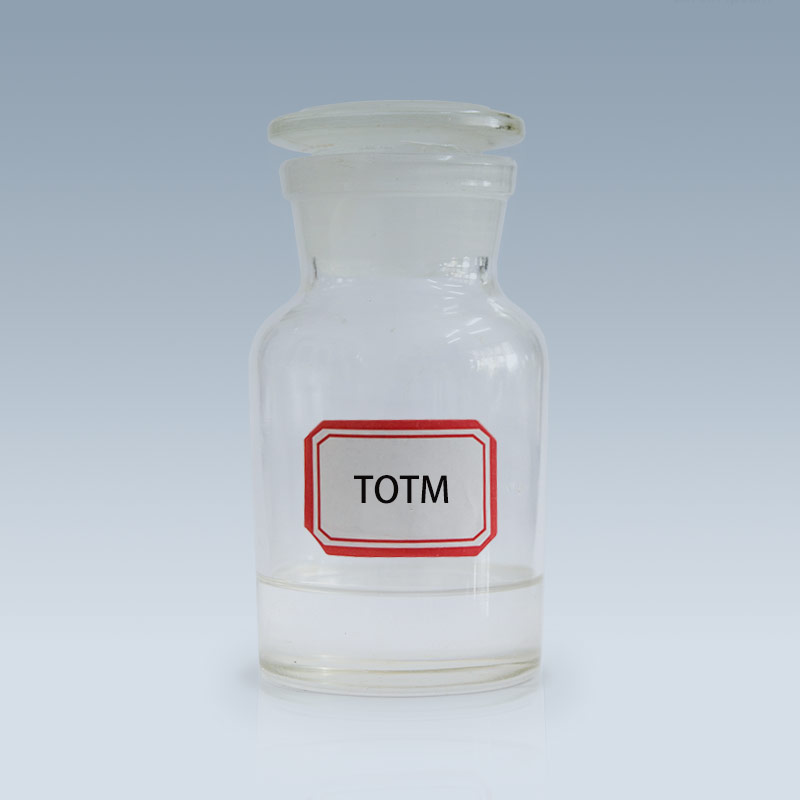
TOTM plasticizer, short for trioctyl trimellitate, is a chemical additive used to make PVC and other polymers more flexible, durable, and workable. It belongs to the trimellitate family of plasticizers, which are structurally different from the more common phthalate-based options like DOP or DEHP. Because of its molecular structure, TOTM has a larger, more stable molecule that resists migration and evaporation far better than many traditional plasticizers.
In practical terms, this means products made with TOTM plasticizer tend to stay flexible longer, hold up better under heat, and lose less of their plasticizer content over time. This is exactly why it's become a preferred choice in applications where long-term performance and safety matter more than upfront cost.
Why TOTM Plasticizer Performs Better Under Heat
One of the standout characteristics of TOTM plasticizer is its resistance to high temperatures. Unlike lighter plasticizers that can volatilize or "sweat out" of a material when exposed to heat, TOTM has a high molecular weight that keeps it locked into the polymer matrix even under sustained thermal stress.
This heat resistance is measured through volatility loss testing, where samples are exposed to elevated temperatures over extended periods. TOTM consistently shows lower weight loss compared to phthalate plasticizers, which is why it's the go-to choice for products that will be exposed to prolonged heat, such as automotive wiring insulation or appliance cables.
Common Applications of TOTM Plasticizer
TOTM plasticizer shows up in a wide range of industries, mostly wherever flexible PVC needs to withstand tough conditions over a long service life.
- Automotive wiring and cable insulation exposed to engine heat
- Household appliance cords and internal wiring
- Medical devices such as tubing, blood bags, and IV components
- Toys and childcare products where low toxicity is required
- Flooring, flexible tubing, and industrial hoses
In medical and childcare applications especially, TOTM plasticizer is favored because it's widely recognized as a non-toxic alternative to phthalates like DEHP, which have faced increased regulatory scrutiny in many countries.
TOTM vs. DOP: How Do They Compare?
DOP, or dioctyl phthalate, has long been one of the most widely used general-purpose plasticizers due to its low cost and good overall performance. However, when you compare it directly to TOTM, some clear differences emerge, especially in demanding applications.
| Property | TOTM Plasticizer | DOP Plasticizer |
| Heat Resistance | Excellent | Moderate |
| Migration Resistance | Very Low Migration | Higher Migration |
| Toxicity Profile | Considered Low Toxicity | Regulated in Many Regions |
| Cost | Higher | Lower |
| Best Use Case | High-heat, long-life products | General-purpose, cost-sensitive products |
In short, DOP still makes sense for basic, short-lifecycle products where cost is the main concern, while TOTM plasticizer is the smarter choice when performance, safety, and longevity are priorities.
Is TOTM Plasticizer Safe? What You Should Know
Safety is one of the biggest reasons manufacturers have shifted toward TOTM plasticizer, particularly in products that come into contact with food, skin, or the human body. Regulatory bodies in multiple regions have approved TOTM for use in food-contact materials and medical devices, largely because studies have shown significantly lower toxicity and migration compared to older phthalate plasticizers.
That said, "non-phthalate" doesn't automatically mean "zero regulation." It's still important to source TOTM plasticizer from reputable suppliers who can provide certificates of analysis and compliance documentation, especially if the end product is intended for medical, food, or children's applications where regulatory standards are strict.
Key Compliance Certifications to Look For
- REACH compliance for use within the European Union
- FDA approval for food-contact applications in the United States
- RoHS compliance for electronics and cable applications
- ISO certifications relevant to medical-grade materials
How to Choose the Right TOTM Plasticizer Grade
Not all TOTM plasticizer products are identical, and picking the right grade depends heavily on your specific application. Industrial-grade TOTM may be sufficient for general cable insulation, while medical or food-contact applications typically require a higher-purity grade with stricter impurity limits.
When evaluating suppliers, it helps to ask for technical data sheets that outline purity percentage, color (measured on the APHA scale), acid value, and moisture content. These specifications directly affect how the plasticizer performs in your final product, so it's worth comparing multiple suppliers rather than choosing based on price alone.
Storage and Handling Tips for TOTM Plasticizer
Proper storage plays a bigger role in plasticizer quality than many manufacturers realize. TOTM plasticizer should be stored in sealed containers away from direct sunlight and extreme temperature fluctuations, since prolonged exposure to heat or moisture can affect its consistency and performance over time.
It's also good practice to store TOTM away from strong oxidizing agents and to use containers made of compatible materials, such as stainless steel or certain plastics, to avoid contamination. Following the supplier's recommended shelf life and rotating stock using a first-in, first-out approach will help ensure consistent quality in every production batch.