

 English
 中文简体
中文简体Content
- 1 What Is Diisodecyl Phthalate?
- 2 How Diisodecyl Phthalate Is Manufactured
- 3 Common Uses of Diisodecyl Phthalate in Everyday Products
- 4 Diisodecyl Phthalate Compared to Other Common Plasticizers
- 5 Is Diisodecyl Phthalate Safe? What Current Research Indicates
- 6 Handling, Storage, and Regulatory Considerations
What Is Diisodecyl Phthalate?
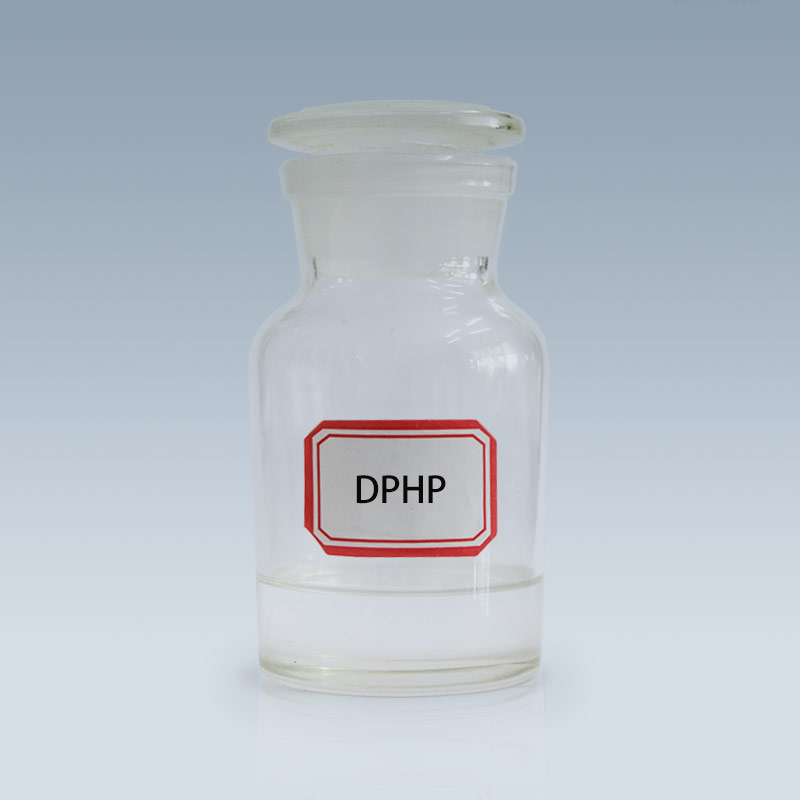
Diisodecyl Phthalate, commonly shortened to DIDP, is a synthetic chemical belonging to the phthalate ester family. It is produced by reacting phthalic anhydride with isodecyl alcohol, resulting in a colorless, oily liquid with very little odor. Like other phthalates, Diisodecyl Phthalate is not used on its own; instead, it functions as a plasticizer, meaning it is blended into rigid plastic resins — most often polyvinyl chloride (PVC) — to make the finished material softer, more flexible, and easier to work with. Without additives like DIDP, PVC in its raw form is hard and brittle, which limits its usefulness for many everyday products.
Diisodecyl Phthalate belongs to a category known as "high molecular weight" phthalates. This distinction matters because high molecular weight phthalates, including DIDP and its close relative Diisononyl Phthalate (DINP), tend to have different physical properties and regulatory treatment compared to lower molecular weight phthalates such as DEHP. DIDP's larger molecular structure gives it lower volatility, meaning it evaporates more slowly from the plastic products it's used in.
How Diisodecyl Phthalate Is Manufactured
The production of Diisodecyl Phthalate follows a well-established industrial esterification process. Phthalic anhydride is combined with excess isodecyl alcohol in the presence of a catalyst, typically under controlled heat. This reaction produces the DIDP ester along with water as a byproduct. The mixture is then purified through steps such as neutralization, washing, and vacuum distillation to remove unreacted alcohol and other impurities, leaving behind high-purity Diisodecyl Phthalate suitable for industrial use.
Key Physical Characteristics
Understanding the physical profile of DIDP helps explain why manufacturers choose it for specific applications. It has a relatively high boiling point, low water solubility, and strong resistance to extraction by oils and fats, which makes it well suited for products that need long-term durability and stability under varying temperatures.
- Appearance: clear to pale yellow oily liquid
- Odor: essentially odorless
- Solubility: insoluble in water, soluble in most organic solvents
- Volatility: low, contributing to long-lasting flexibility in finished products
Common Uses of Diisodecyl Phthalate in Everyday Products
Diisodecyl Phthalate is used across a wide range of industries because of its ability to improve the flexibility, durability, and weather resistance of PVC-based materials. It is especially valued in applications that require long service life, since its low volatility means it migrates out of the plastic more slowly than some other plasticizers.
Construction and Building Materials
In construction, Diisodecyl Phthalate is frequently found in flexible PVC products such as wire and cable insulation, flooring, roofing membranes, and wall coverings. Its resistance to weathering and temperature extremes makes it a practical choice for materials that are exposed to the elements or need to remain flexible over many years of use.
Automotive Components
The automotive industry relies on DIDP-plasticized PVC for interior parts like dashboards, door panels, seat coverings, and underbody coatings. Because vehicle interiors can reach high temperatures, especially in direct sunlight, the low volatility of Diisodecyl Phthalate helps reduce fogging on windows and keeps interior components from becoming brittle over time.
Consumer and Household Goods
DIDP also appears in a variety of household items, including garden hoses, shower curtains, upholstery, and certain toys and childcare articles, though its use in these last two categories is now restricted in many regions. Additionally, it is used in some adhesives, sealants, and inks as a way to improve workability and flexibility.
Diisodecyl Phthalate Compared to Other Common Plasticizers
Manufacturers often choose between several phthalate and non-phthalate plasticizers depending on the performance requirements and regulatory environment of their product. The table below outlines how Diisodecyl Phthalate compares to some of the most widely used alternatives.
| Plasticizer | Molecular Weight Class | Typical Use | Volatility |
| Diisodecyl Phthalate (DIDP) | High | Cables, flooring, automotive parts | Low |
| Diisononyl Phthalate (DINP) | High | Similar to DIDP, general-purpose PVC | Low |
| Di(2-ethylhexyl) Phthalate (DEHP) | Lower | Historically medical tubing, flooring | Moderate |
| DINCH (non-phthalate) | N/A | Toys, food contact materials | Low |
As the table shows, Diisodecyl Phthalate shares many characteristics with DINP, and the two are often used interchangeably depending on regional availability and cost. Both are generally viewed by regulators as lower-concern alternatives to older, lower molecular weight phthalates like DEHP.
Is Diisodecyl Phthalate Safe? What Current Research Indicates
Safety assessments of Diisodecyl Phthalate have been conducted by multiple regulatory and scientific bodies over the years, including evaluations by the U.S. Consumer Product Safety Commission (CPSC) and the European Chemicals Agency (ECHA). These reviews generally examine potential health effects from exposure through skin contact, ingestion, or inhalation, particularly for vulnerable groups such as children.
Based on available toxicological data, Diisodecyl Phthalate is typically classified as having lower toxicity concerns compared to some other phthalates. However, regulatory caution still applies in specific contexts. For example, some jurisdictions restrict or monitor its use in children's toys and childcare products as a precautionary measure, even when the associated risk levels are considered low under normal use conditions.
Factors That Influence Exposure Risk
- Duration and frequency of contact with the plastic product
- Temperature, since heat can increase migration of plasticizers out of plastic
- Whether the product is intended for mouthing or prolonged skin contact, as with certain toys
- Age and physiology of the person exposed, with children generally considered more sensitive
Handling, Storage, and Regulatory Considerations
For manufacturers and industrial users working directly with Diisodecyl Phthalate, standard chemical handling practices apply. It should be stored in tightly sealed containers away from strong oxidizing agents and extreme heat sources, and workers handling the raw chemical are generally advised to use gloves and eye protection to minimize direct skin or eye contact during processing.
Labeling and permissible use levels for Diisodecyl Phthalate vary by country and by product category. In the European Union, for instance, DIDP is subject to specific restrictions under REACH regulations regarding its use in toys and childcare articles that can be placed in a child's mouth. In the United States, DIDP has been reviewed under the Consumer Product Safety Improvement Act (CPSIA) framework alongside other phthalates used in children's products. Businesses that manufacture or import products containing DIDP should consult current regulations in each market where the product will be sold, since permissible concentration limits and labeling requirements can change over time.
Practical Tips for Buyers and Manufacturers
- Request a Safety Data Sheet (SDS) from suppliers before incorporating DIDP into a product
- Verify compliance with the specific regulations of your target market, especially for children's products
- Consider third-party testing to confirm plasticizer content stays within legal limits
- Store finished PVC products away from prolonged heat exposure to reduce plasticizer migration