

 English
 中文简体
中文简体Content
- 1 Understanding DINP Plasticizer in Real-World Applications
- 2 Key Performance Characteristics of DINP Plasticizer
- 3 Typical Applications That Rely on DINP Plasticizer
- 4 DINP Plasticizer vs Other Common Plasticizers
- 5 Processing Tips When Using DINP Plasticizer
- 6 Regulatory and Market Considerations for DINP Plasticizer
- 7 Why DINP Plasticizer Remains a Practical Choice
Understanding DINP Plasticizer in Real-World Applications
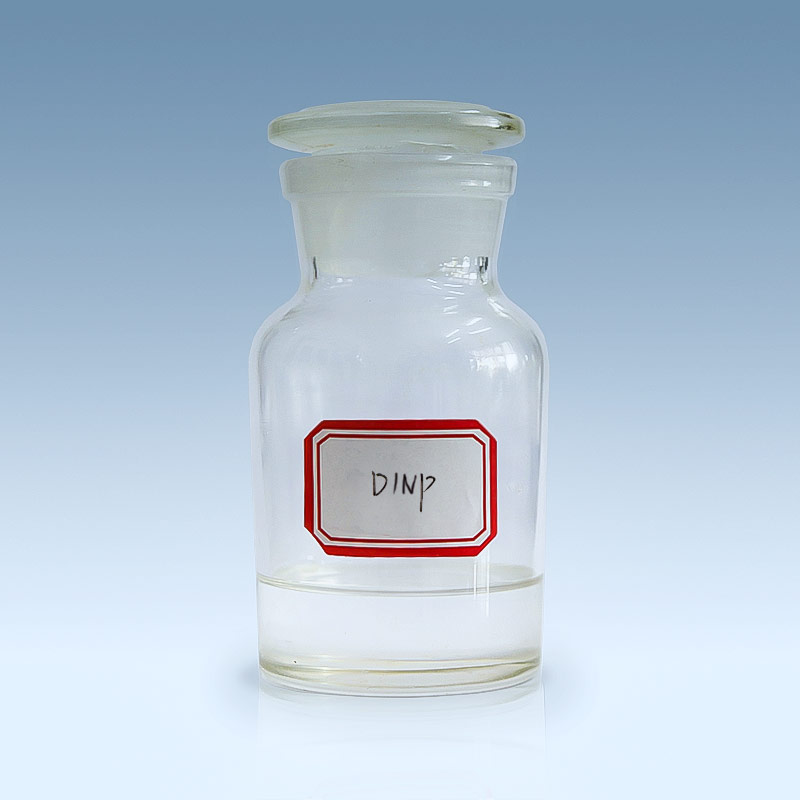
DINP plasticizer, short for Diisononyl Phthalate, is one of the most commonly used plasticizers in flexible PVC manufacturing. Its main role is to soften rigid PVC resin, improving flexibility, durability, and processability. Compared with lower-molecular-weight phthalates, DINP offers better long-term performance, making it suitable for products that need to last under mechanical stress or frequent handling.
Key Performance Characteristics of DINP Plasticizer
DINP plasticizer is valued not just for flexibility, but for a balanced set of physical and chemical properties. These characteristics make DINP a preferred choice in industrial and consumer-grade PVC compounds.
- Excellent plasticizing efficiency for soft and semi-rigid PVC formulations
- Low volatility, helping finished products retain softness over time
- Good resistance to heat and aging during long-term use
- Strong compatibility with PVC resin and common stabilizer systems
Typical Applications That Rely on DINP Plasticizer
Thanks to its stable performance, DINP plasticizer is widely used across multiple industries. It is especially suitable for products that require flexibility without compromising mechanical strength.
| Industry | Common DINP-Based Products |
| Construction | PVC flooring, wall coverings, waterproof membranes |
| Automotive | Interior trims, wire and cable insulation |
| Consumer Goods | Synthetic leather, inflatable products, hoses |
| Electrical | Flexible cables and protective sheathing |
DINP Plasticizer vs Other Common Plasticizers
When selecting a plasticizer, manufacturers often compare DINP with alternatives such as DOP or DOTP. DINP sits in the middle ground, offering reliable performance at a reasonable cost.
Comparison from a Practical Manufacturing View
DINP plasticizer generally provides better aging resistance than DOP, while remaining more cost-effective than many non-phthalate plasticizers. This makes it attractive for large-scale production where performance stability and price control are both important.
Processing Tips When Using DINP Plasticizer
To get consistent results, DINP plasticizer should be carefully controlled during compounding and processing. Incorrect dosing or poor mixing can affect the final product’s softness and surface quality.
- Preheat DINP slightly in cold environments to improve blending efficiency
- Ensure uniform mixing with PVC resin to avoid migration or uneven softness
- Pair with compatible stabilizers to enhance thermal stability during extrusion
Regulatory and Market Considerations for DINP Plasticizer
DINP plasticizer is regulated differently across regions. While it is permitted in many industrial and non-toy applications, manufacturers exporting to Europe or North America should pay close attention to REACH and CPSIA-related requirements. Understanding end-use restrictions helps avoid compliance risks and ensures smooth market access.
Why DINP Plasticizer Remains a Practical Choice
Despite growing interest in alternative plasticizers, DINP plasticizer continues to be widely used because of its stable performance, good processing behavior, and cost efficiency. For applications where long-term flexibility and durability matter more than niche regulator