

 English
 中文简体
中文简体If you've come across the abbreviation DOP in a technical datasheet, a material specification, or a chemical supply catalog, the context usually determines which definition applies — because DOP is one of those acronyms that gets used across several different fields. In the plastics and chemical industry, however, DOP has a specific and well-established meaning: it refers to dioctyl phthalate, one of the most widely used plasticizers in the world. This article explains what DOP is, what it does, where it is used, and why its regulatory status has become an increasingly important factor in material selection decisions.
Content
- 1 DOP Definition: What the Abbreviation Stands For
- 2 What a Plasticizer Does and Why DOP Is One
- 3 Key Physical and Performance Properties of DOP
- 4 Industrial Applications Where DOP Is Used
- 5 DOP Regulatory Status and Health Concerns
- 6 DOP vs. Alternative Plasticizers: Understanding the Trade-offs
- 7 Other Contexts Where DOP Is Used as an Abbreviation
- 8 How to Identify DOP in Product Documentation and Compliance Certificates
- 9 Practical Summary: When DOP Is and Isn't Acceptable Today
DOP Definition: What the Abbreviation Stands For
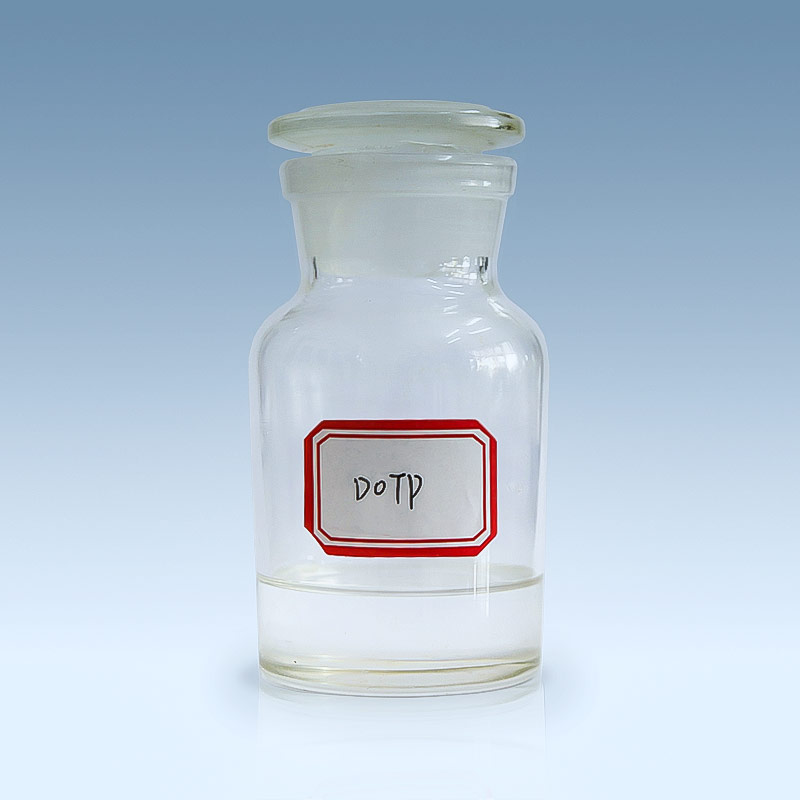
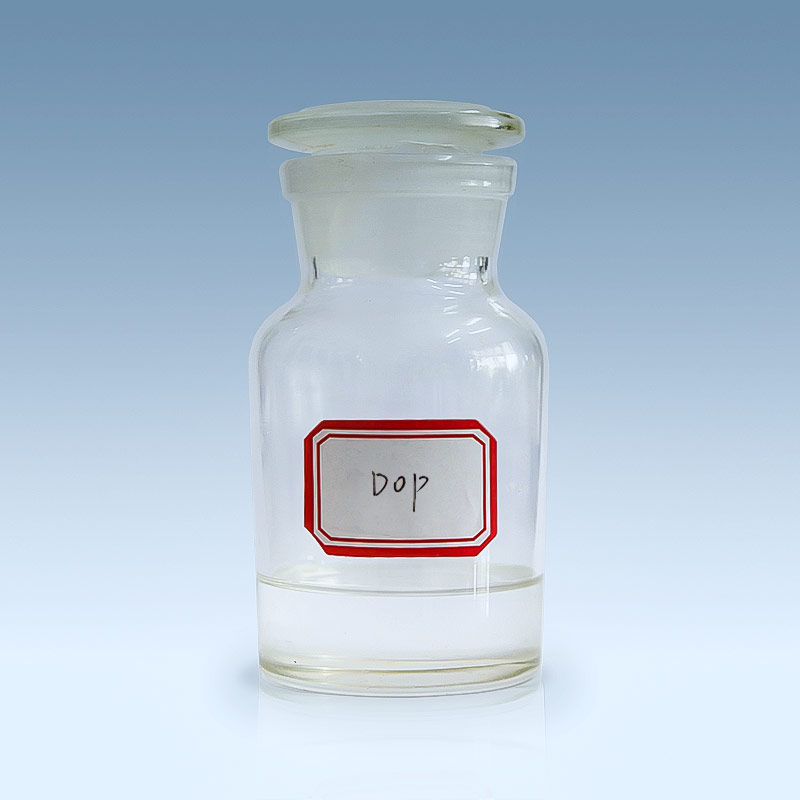
In the chemical and plastics industry, DOP stands for dioctyl phthalate — more precisely, di(2-ethylhexyl) phthalate, which is also commonly abbreviated as DEHP. The two abbreviations refer to the same compound: DOP is the older trade and industry shorthand, while DEHP is the more precise IUPAC-aligned designation used in regulatory and scientific documentation. In practice, DOP and DEHP are interchangeable terms for the same chemical substance, and understanding this equivalence is important when reading technical specifications, safety data sheets, or regulatory compliance documents.
The full chemical name — di(2-ethylhexyl) phthalate — describes the molecule's structure: it is a diester formed by the reaction of phthalic anhydride with 2-ethylhexanol. The resulting compound is a clear, oily liquid at room temperature with low volatility, good thermal stability, and excellent compatibility with polyvinyl chloride (PVC) and several other polymers. These properties made it the dominant general-purpose plasticizer in global use for most of the twentieth century, and it remains in widespread industrial use despite growing regulatory restrictions in consumer-facing applications.
DOP Chemical Identity at a Glance
| Property | Value / Description |
| Full chemical name | Di(2-ethylhexyl) phthalate |
| Common abbreviations | DOP, DEHP |
| CAS number | 117-81-7 |
| Molecular formula | C₂₄H₃₈O₄ |
| Molecular weight | 390.56 g/mol |
| Physical appearance | Clear, colorless to pale yellow oily liquid |
| Odor | Slight, characteristic |
| Boiling point | 385°C at atmospheric pressure |
| Flash point | 218°C (closed cup) |
| Density | 0.986 g/cm³ at 20°C |
| Water solubility | Practically insoluble (0.003 g/L at 25°C) |
What a Plasticizer Does and Why DOP Is One
To understand the DOP meaning in practical terms, it helps to understand what plasticizers do in polymer chemistry. Polymers like PVC in their pure, unmodified form are rigid, brittle materials — useful for pipes and window profiles but completely unsuitable for flexible products like cables, hoses, films, or medical tubing. A plasticizer is a substance added to the polymer during processing that inserts itself between the polymer chains, increasing the spacing between them and reducing the intermolecular forces that cause rigidity. The result is a material that remains chemically a polymer but behaves as a flexible, pliable solid.
DOP achieves this effect through its molecular structure. The large, branched 2-ethylhexyl groups on each end of the molecule are compatible with PVC's polymer chains — they intercalate between the chains and act as internal lubricants, allowing the chains to slide past one another under stress. The central phthalate ester group provides the structural anchor that keeps the plasticizer associated with the polymer matrix rather than migrating to the surface. The balance between these two functions — flexibility and retention — is what made DOP the benchmark plasticizer against which alternatives are still measured.
In practical processing terms, DOP is typically added to PVC at loadings of 30 to 80 parts per hundred resin (phr) depending on the required flexibility of the final product. At 30–40 phr, a semi-rigid compound is produced suitable for profiles and rigid film. At 60–80 phr, a highly flexible compound results, used for soft toys, upholstery, and medical devices. The relationship between DOP loading and the resulting compound flexibility is well-characterized, which makes formulation straightforward for experienced compounders.
Key Physical and Performance Properties of DOP
DOP's dominance as a general-purpose plasticizer for most of the twentieth century was built on a combination of physical and processing properties that competing plasticizers struggled to match at equivalent cost. Understanding these properties explains both why DOP became so widely used and what trade-offs are involved when switching to alternatives.
Plasticizing Efficiency
Plasticizing efficiency refers to the degree of flexibility achieved per unit of plasticizer added. DOP has good but not exceptional efficiency — higher-molecular-weight plasticizers like DINP (diisononyl phthalate) and DIDP (diisodecyl phthalate) require slightly higher loadings to achieve equivalent flexibility. Lower-molecular-weight phthalates like DBP (dibutyl phthalate) are more efficient but have much higher volatility and migration rates. DOP sits in a practical middle range that balances efficiency, permanence, and processing ease.
Low-Temperature Flexibility
DOP-plasticized PVC maintains good flexibility at temperatures down to approximately -25°C to -30°C, depending on loading and formulation. This low-temperature performance is adequate for most temperate-climate outdoor applications but is surpassed by specialty plasticizers such as DIDA (diisodecyl adipate) or DOS (dioctyl sebacate), which maintain flexibility at temperatures as low as -50°C. For Arctic or extreme cold-weather cable and hose applications, DOP is typically replaced by adipate or sebacate plasticizers specifically for this reason.
Volatility and Migration
DOP has relatively low volatility — its high boiling point (385°C) means evaporative loss during processing and service life is limited under normal conditions. However, DOP does migrate slowly from the plasticized polymer to surfaces in contact with it — a phenomenon called plasticizer migration or bleed-out. This is visible as the oily film that develops on the surface of aged flexible PVC products over time, and it reduces the plasticizer concentration in the compound, causing gradual hardening. Migration rate is accelerated by elevated temperature, contact with lipophilic substances (oils, fats), and extraction by solvents.
Thermal and UV Stability
DOP itself has good thermal stability under normal PVC processing conditions (160–200°C), and it does not significantly accelerate PVC degradation. However, DOP does not contribute UV stabilization to the compound — a separate UV stabilizer package is required for outdoor applications. For high-temperature applications such as automotive wiring harnesses and industrial cables rated above 105°C, DOP's performance limits are reached and higher-temperature plasticizers (trimellitates, polymeric plasticizers) are specified instead.
Industrial Applications Where DOP Is Used
DOP is used across a wide range of industries wherever flexible PVC or other plasticized polymer products are manufactured. The following are the most significant application areas in global consumption terms.
- Wire and cable insulation and jacketing: Flexible PVC cable compounds plasticized with DOP are used for power cables, control cables, and building wire. The combination of electrical insulation properties, flexibility, and flame retardancy (when combined with appropriate stabilizer and flame retardant packages) makes DOP-plasticized PVC the standard insulation material for low-voltage power distribution cables in many markets.
- Flooring and wall coverings: Vinyl flooring — including sheet vinyl, luxury vinyl tile (LVT), and vinyl composition tile — uses DOP or alternative plasticizers in the flexible wear layer and backing compounds. DOP's good compatibility with PVC and its cost-effectiveness have made it a standard specification in commercial and residential vinyl flooring, though it is increasingly replaced by DINP or non-phthalate alternatives in products for residential markets.
- Industrial hoses and tubing: General-purpose PVC hoses for water, air, and industrial fluid conveyance are commonly plasticized with DOP. The flexibility and durability of DOP-plasticized PVC hose at standard temperatures makes it cost-effective for agricultural irrigation, construction site water supply, and general industrial fluid handling where food contact and medical applications are not involved.
- Artificial leather and coated fabrics: PVC-coated fabrics used for upholstery, automotive interiors, luggage, and protective clothing use DOP as the primary plasticizer in the coating compound. The flexibility, surface feel, and durability of DOP-plasticized PVC coatings are well-established for these applications, though automotive interior specifications increasingly require low-fogging plasticizers (trimellitates or polymeric types) to meet windscreen fogging test requirements.
- Plastisols and organosols: DOP is widely used in PVC plastisol formulations — paste-grade PVC dispersed in liquid plasticizer — for applications such as dip coating, rotational molding, screen printing inks, and underbody coatings. The rheological properties of DOP-based plastisols are well understood and easily controlled, making DOP the reference plasticizer for plastisol formulation development.
- Seals, gaskets, and profiles: Flexible PVC seals and gaskets for windows, doors, and automotive applications use DOP-plasticized compounds where service temperatures are within DOP's performance range. For higher-temperature sealing applications, alternative plasticizers are required, but DOP remains competitive for ambient-temperature sealing products in industrial and construction markets.
DOP Regulatory Status and Health Concerns
The regulatory history of DOP (DEHP) is one of the most significant stories in industrial chemical regulation over the past three decades. Beginning in the 1990s, toxicological studies identified DEHP as an endocrine-disrupting compound — a substance capable of interfering with hormonal signaling in the body. Subsequent research established reproductive toxicity in animal studies, leading regulatory agencies globally to classify DEHP as a substance of very high concern (SVHC) and to restrict its use in an expanding range of product categories.
European Union Regulations
In the EU, DEHP is listed as an SVHC under the REACH regulation and is included in Annex XIV (Authorization List), meaning its use in EU-manufactured or imported articles requires authorization from the European Chemicals Agency (ECHA) unless a specific exemption applies. DEHP is also restricted under the RoHS Directive (Restriction of Hazardous Substances in Electrical and Electronic Equipment), limiting its concentration to a maximum of 0.1% by weight in homogeneous materials in electrical and electronic equipment placed on the EU market. Additionally, DEHP is prohibited above 0.1% in articles intended for children under 14 years of age under EU toy safety regulations.
United States Regulations
In the United States, DEHP is regulated under the Consumer Product Safety Improvement Act (CPSIA), which permanently prohibits concentrations above 0.1% in children's toys and child care articles. The EPA has classified DEHP as a probable human carcinogen under its cancer risk guidelines and lists it as a priority chemical for risk evaluation under the Toxic Substances Control Act (TSCA). FDA regulations restrict DEHP use in food contact materials and medical devices, requiring specific testing and justification for applications where patient exposure is significant.
Medical Device Applications
One of the most extensively regulated DOP application areas is medical devices — specifically blood bags, IV tubing, and dialysis equipment, which historically used DOP-plasticized PVC because of its excellent compatibility, clarity, and flexibility. Concerns about DEHP leaching from medical devices into patient bloodstreams — particularly for neonates, pregnant women, and patients undergoing repeated dialysis — led to significant efforts to qualify alternative plasticizers for medical PVC applications. DINCH (diisononyl cyclohexane-1,2-dicarboxylate) and TOTM (trioctyl trimellitate) are the most widely adopted alternatives in medical device applications where DOP has been phased out.
DOP vs. Alternative Plasticizers: Understanding the Trade-offs
The regulatory restrictions on DOP have driven significant development of alternative plasticizers. The main alternatives differ from DOP in molecular structure, performance profile, regulatory status, and cost. Understanding these differences is essential for formulators switching away from DOP and for buyers evaluating material compliance in their supply chains.
| Plasticizer | Abbreviation | Chemical Family | Key Advantage vs. DOP | Key Limitation |
| Diisononyl phthalate | DINP | Phthalate | Lower regulatory restriction, lower volatility | Still a phthalate; under regulatory review |
| Diisodecyl phthalate | DIDP | Phthalate | Very low volatility, good permanence | Still a phthalate; slightly lower efficiency |
| Diisononyl cyclohexanedicarboxylate | DINCH | Cyclohexanoate (non-phthalate) | Non-phthalate, approved for sensitive applications | Higher cost, lower plasticizing efficiency |
| Trioctyl trimellitate | TOTM | Trimellitate | Excellent high-temperature performance, low migration | Higher cost, higher viscosity in processing |
| Di(2-ethylhexyl) adipate | DEHA / DOA | Adipate | Excellent low-temperature flexibility | Higher volatility, lower permanence than DOP |
| Acetyl tributyl citrate | ATBC | Citrate (bio-based) | Bio-based, FDA-approved for food contact | Higher cost, limited high-load flexibility |
For industrial applications not subject to direct regulatory restriction — general-purpose cables, industrial hose, non-consumer vinyl flooring — DOP remains technically viable and cost-competitive in many markets. The decision to switch to an alternative is driven primarily by customer requirements, supply chain compliance policies, and proactive risk management against future regulatory changes rather than current legal prohibition in those applications.
Other Contexts Where DOP Is Used as an Abbreviation
While dioctyl phthalate is the dominant meaning of DOP in industrial and chemical contexts, the abbreviation appears in other professional fields with entirely different meanings. If you encountered DOP outside a plastics or chemical context, one of the following definitions may apply.
- DOP in HEPA filter testing: In cleanroom and air filtration engineering, DOP stands for dioctyl phthalate aerosol — a fine mist of DOP liquid historically used to test the integrity and efficiency of HEPA and ULPA filters. A DOP test (also called a PAO test, using polyalphaolefin aerosol as a modern substitute) involves challenging a filter with a known concentration of aerosol particles upstream and measuring penetration downstream. The term "DOP test" persists in the filtration industry even where PAO or other challenge aerosols have replaced actual DOP.
- DOP in military and defense: In some military logistics and procurement contexts, DOP stands for Date of Production or Date of Procurement — a timestamp reference used in supply chain documentation and equipment maintenance records. This usage is specific to defense logistics systems and is unrelated to chemical or plastics applications.
- DOP in photography and optics: DOP is occasionally used as an abbreviation for Depth of Penetration or, in optical fiber contexts, Degree of Polarization. These usages are field-specific and appear in technical literature rather than in general industrial specifications.
- DOP in food and cosmetics: In some European product labeling contexts, DOP appears as the registered designation of origin abbreviation for Denominazione di Origine Protetta — the Italian equivalent of the EU Protected Designation of Origin (PDO) certification. This applies to food products like Parmigiano Reggiano and olive oils with protected geographic origin status, and is completely unrelated to chemical applications.
How to Identify DOP in Product Documentation and Compliance Certificates
For buyers and quality managers who need to verify whether a product contains DOP (DEHP) for compliance purposes, knowing where and how the substance is identified in documentation is practically important. DOP appears under several different identifiers across different document types, and familiarity with all of them is necessary to avoid missing a positive identification.
- By CAS number: The most reliable identifier across all documentation types is the CAS number 117-81-7, which uniquely identifies di(2-ethylhexyl) phthalate regardless of the abbreviation or trade name used. REACH compliance declarations, RoHS test reports, and SVHC declarations should reference this CAS number when declaring DEHP content.
- In material safety data sheets (SDS/MSDS): DEHP will appear in Section 3 (Composition/Information on Ingredients) of an SDS for any product containing it above the reportable concentration threshold. The substance will be identified by its IUPAC name, CAS number, and relevant classification (reproductive toxicity Category 1B under CLP/GHS).
- In RoHS compliance declarations: RoHS declarations for electrical and electronic equipment should explicitly state DEHP content as a percentage of homogeneous material and confirm compliance with the 0.1% maximum concentration limit. A declaration that lists only the four original RoHS substances (lead, mercury, cadmium, hexavalent chromium, PBB, PBDE) without addressing DEHP may be outdated — DEHP was added to RoHS scope in 2019 under the RoHS 2 amendment.
- In REACH SVHC declarations: Under REACH Article 33, suppliers of articles containing SVHC substances above 0.1% concentration have a legal obligation to inform customers. A REACH SVHC declaration listing DEHP (CAS 117-81-7) confirms the substance is present above threshold. The absence of a declaration does not confirm absence of the substance — it may simply mean the supplier has not performed the required assessment.
Practical Summary: When DOP Is and Isn't Acceptable Today
Given the regulatory complexity around DOP (DEHP), it is useful to summarize where the substance remains in use, where it has been largely phased out, and where its use is legally prohibited in major markets.
| Application Area | Current Status | Key Regulation |
| Children's toys and childcare articles | Prohibited above 0.1% | EU Toy Safety Directive; US CPSIA |
| Electrical and electronic equipment (EEE) | Restricted above 0.1% in homogeneous materials | EU RoHS 2 Directive (since 2019) |
| Medical devices (EU) | Restricted; justification required above threshold | EU MDR; REACH Authorization |
| Food contact materials | Restricted; specific migration limits apply | EU Regulation 10/2011; FDA 21 CFR |
| Industrial cables and wire (non-consumer) | Generally still permitted; customer policy varies | No general prohibition; REACH SVHC declaration required |
| Industrial hose and flooring (non-consumer) | Generally still permitted in many markets | REACH SVHC; market-specific requirements |
| Automotive interior components | Largely phased out by OEM specifications | OEM substance restrictions (IMDS); REACH |
The overall direction of regulation is clear: DOP use in consumer-facing, food-contact, medical, and child-related applications is either already prohibited or under active restriction in all major markets. For industrial applications without direct consumer or food contact, DOP remains technically and commercially available, but the trend toward proactive substitution — driven by customer requirements, insurance liability, and anticipation of future regulatory tightening — means that alternative plasticizers are increasingly the default specification even where DOP is not yet legally restricted.