

 English
 中文简体
中文简体Content
- 1 What Is DOA Plasticizer and Why It Is Used
- 2 Key Performance Advantages of DOA Plasticizer
- 3 Common Applications That Depend on DOA Plasticizer
- 4 DOA Plasticizer Compared With Other Plasticizers
- 5 Processing Tips for Using DOA Plasticizer
- 6 Regulatory and Market Considerations for DOA Plasticizer
- 7 Why DOA Plasticizer Remains a Smart Choice
What Is DOA Plasticizer and Why It Is Used
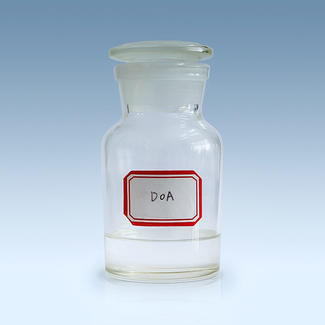
DOA plasticizer, also known as Dioctyl Adipate, is a widely used adipate plasticizer designed for applications that demand excellent low-temperature flexibility. Compared with many phthalate plasticizers, DOA is lighter in molecular structure, which allows PVC products to remain soft and elastic even in cold environments. This makes DOA plasticizer especially popular in food packaging films, cold-storage materials, and outdoor flexible products.
Key Performance Advantages of DOA Plasticizer
The practical value of DOA plasticizer lies in its unique balance of flexibility, clarity, and processing behavior. Manufacturers often choose DOA when standard plasticizers cannot meet low-temperature or softness requirements.
- Outstanding low-temperature resistance, keeping PVC flexible below freezing
- Good compatibility with PVC resin and common stabilizer systems
- High transparency, ideal for clear and glossy film products
- Low odor and relatively low volatility compared with some alternatives
Common Applications That Depend on DOA Plasticizer
DOA plasticizer is commonly selected for products that must stay soft and flexible under cold or dynamic conditions. Its performance profile makes it suitable for both industrial and consumer-oriented PVC applications.
| Application Area | Typical DOA-Based Products |
| Food Packaging | Cling films, wrapping films, flexible sheets |
| Cold Storage | Freezer curtains, cold-room PVC strips |
| Medical & Consumer | Soft tubing, flexible covers, transparent films |
| Industrial | Flexible hoses, coated fabrics |
DOA Plasticizer Compared With Other Plasticizers
In real production scenarios, DOA plasticizer is often compared with DOP, DINP, or DOTP. Each option has its strengths, but DOA stands out in cold-flex performance.
Practical Selection Differences
While DOP and DINP provide good general-purpose flexibility, they can become stiff at low temperatures. DOA plasticizer, on the other hand, maintains softness in freezing conditions, though it may have slightly higher migration compared with higher-molecular-weight plasticizers. Many manufacturers blend DOA with other plasticizers to balance cost, durability, and cold resistance.
Processing Tips for Using DOA Plasticizer
To achieve stable product quality, DOA plasticizer should be used with proper formulation control. Its lower viscosity can affect processing if not managed correctly.
- Combine DOA with secondary plasticizers to reduce migration in long-term use
- Adjust stabilizer dosage to maintain thermal stability during extrusion or calendering
- Control processing temperature to preserve clarity and surface finish
Regulatory and Market Considerations for DOA Plasticizer
DOA plasticizer is widely accepted in applications with higher regulatory sensitivity, including food-contact and medical-related products, depending on local compliance standards. Manufacturers exporting to global markets should verify conformity with FDA, EU, and other regional regulations before final formulation.
Why DOA Plasticizer Remains a Smart Choice
DOA plasticizer continues to be favored for applications where flexibility at low temperatures is non-negotiable. Its clarity, softness, and processing versatility make it a practical solution for manufacturers aiming to produce high-performance flexible PVC products in demanding environments.