

 English
 中文简体
中文简体Content
Understanding the Chemical Composition and Superiority of TOTM
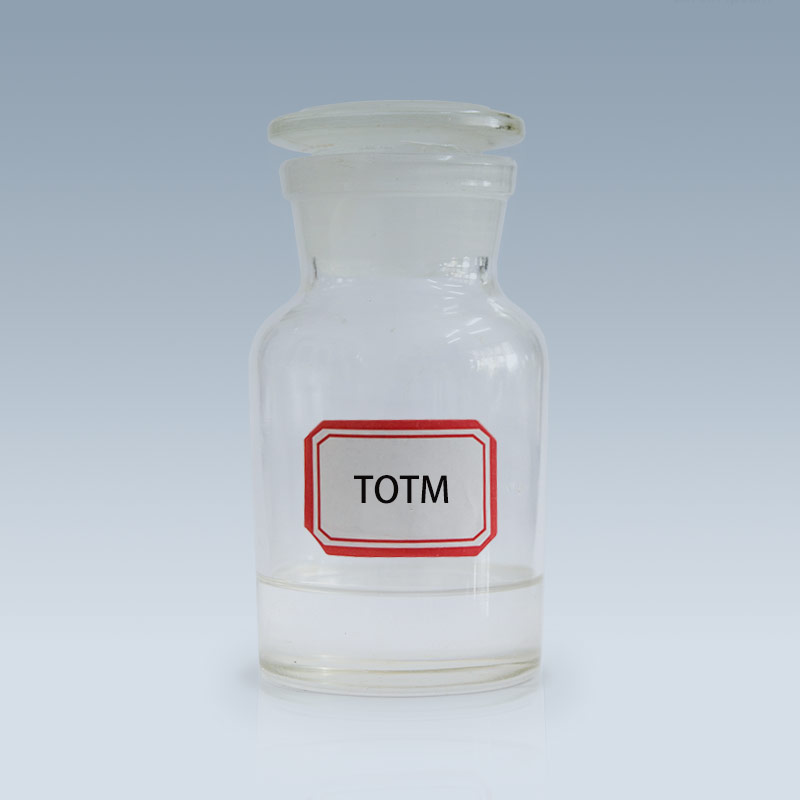
Trioctyl Trimellitate, commonly referred to as TOTM, is a high-molecular-weight ester produced through the esterification of trimellitic anhydride with 2-ethylhexanol. Unlike standard plasticizers, TOTM possesses a branched structure that grants it exceptional stability and resistance to migration. This chemical profile makes it a primary choice for industries requiring materials that can withstand extreme environmental stress without losing structural integrity or flexibility. It acts as a permanent plasticizer, meaning it remains within the polymer matrix far longer than linear alternatives, effectively extending the lifecycle of the end product.
Key Performance Advantages in Industrial Applications
The transition from traditional phthalates to TOTM is driven by several distinct technical advantages. Engineers and material scientists favor TOTM when the application demands a balance of heat resistance and low volatility. Because it has a higher boiling point and lower vapor pressure, it does not "fog" or evaporate easily when exposed to high temperatures, which is a critical safety and quality factor in enclosed environments like automotive cabins or medical cleanrooms.
Thermal Stability and Low Volatility
TOTM is renowned for its ability to maintain mechanical properties at continuous operating temperatures of up to 105°C. This makes it indispensable for high-heat wire and cable insulation where lower-grade plasticizers would become brittle over time. Its low volatility ensures that the plastic remains supple and functional, preventing cracks that could lead to electrical failures or hazardous leaks.
Extraction Resistance
In environments where plastics frequently come into contact with water, soaps, or fatty substances, TOTM demonstrates superior resistance to extraction. While other plasticizers might leach out of the PVC (Polyvinyl Chloride) when exposed to chemicals, TOTM stays bonded to the polymer chains. This quality is particularly valued in the production of gaskets, hoses, and weatherstripping materials that face constant exposure to the elements.
Primary Industry Use Cases
The versatility of Trioctyl Trimellitate allows it to serve niche markets that have rigorous safety and durability standards. Below are the primary sectors where TOTM is considered a benchmark material:
- Automotive Interiors: Used in dashboard skins and upholstery to prevent window fogging caused by plasticizer evaporation.
- Medical Devices: Employed in tubing and blood bags as a safer, migration-resistant alternative to DEHP.
- Wire and Cable: Essential for 105°C rated insulation used in appliances and telecommunications.
- Industrial Gaskets: Provides long-term sealing capabilities in heavy machinery and laboratory equipment.
Comparative Analysis: TOTM vs. Standard Plasticizers
To better understand why TOTM is selected for high-spec projects, it is helpful to compare its physical properties against common general-purpose plasticizers like DOP (Dioctyl Phthalate) or DOTP (Dioctyl Terephthalate).
| Property | TOTM (Trimellitate) | DOTP/DOP (Phthalates) |
| Volatility | Extremely Low | Moderate to High |
| Heat Aging | Excellent (105°C+) | Standard (60-75°C) |
| Migration Resistance | High | Low to Moderate |
| Cost Profile | Premium | Economical |